Elville and Associates

Blog / Blog

Blog

All Blog Videos & Webinar Recordings News Estate Planning estate financial power of attorney financial planning elville and associates Special Needs elder law Probate Wills and Trusts attorney beneficiary Elville estate plan maryland Spotlight The Secure Act trusts Client Care Program digital assets estate planning attorney family financial planners guardianship guardianships Healthcare income tax inheritance power of attorney public benefits special needs planning Tax Planning trust Webinar will 401(k)s Access to Music advance medical directive advance medical directives Aid & Attendance Attorney-Client Relationship Augmented Estate Legislation baltimore Beneficiaries Beneficiary Designations Business Planning business succession capital gain Caregivers Charles A. Borek Consultations Coronavirus (COVID-19) Creative Arts Early Withdrawal Penalty for IRAs Education Elder Abuse elder care Elective Share Elville Center Elville Center for the Creative Arts Estate and Trust Administration estate litigation Estate Planning Work Estate Taxes Exceptions Governor Hogan guardian guardianship of the person Harbour School HealthCare Directives Important Document in terrorem clause incapacity planning including the location J.D. James M. Dore Justin M. Ginsburg Legal Services letter of wishes Lindsay V.R. Moss MIDEO® Music MVLS National Health Crisis National Healthcare Decisions Day nationwide health crisis New Elective Share Law non-probate assets Olivia Holcombe Volke Olivia R. Holcombe-Volke Other Qualified Plans Parkinson's Disease Planning planning attorney powers of attorney Pro Bono probate assets Proper Beneficiary Designations Remote Notarization of Documents Retired Parent Retirement Accounts Retirement Plan Assets revision revocable living trust Schools Secure Act social security administration Social Security Benefit Regulations social security disability insurance social security, special needs trust spendthrift clause spendthrift clauses spendthrift trust ssi Super Lawyers supplemental security income survivorship tax testator the business monthly The Elville Center for the Creative Arts The Memorandum of Intent The Trust Purpose Statement Trust Funds Trust Protector Trust Protectors updating of your will VA Aid Verena veterans administration Waypoint Trust Group Workshop
Thinking about a life estate in Maryland? Learn the benefits, risks, Medicaid concerns, and alternatives before adding children to your deed.

Life Estates in Maryland: When They Make Sense and When They Don’t

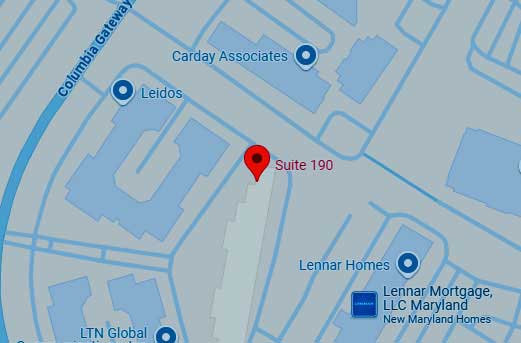
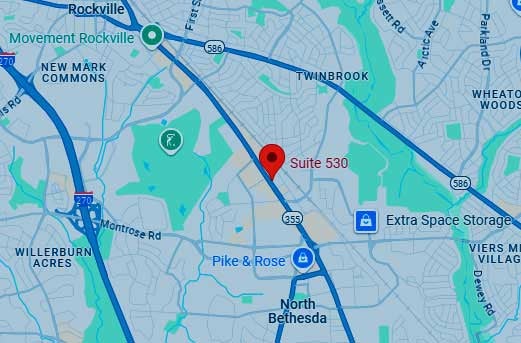
A life estate can be a useful planning tool for some Maryland families who want to protect a home, avoid probate, and plan ahead for the future. At the same time, life estates create permanent legal and financial consequences that are often misunderstood. Knowing when a life estate works well and when it creates long-term problems is essential before moving forward. This article explains how life estates function in Maryland, common risks families encounter, how life estates interact with Medicaid planning, and alternatives that may offer greater flexibility. What Is a Life Estate? A life estate allows more than one person to hold ownership interests in the same property at different times. In Maryland, this typically allows a parent to live in and control a home for life while naming children or other individuals to receive the property automatically after death. The person living in the home is called the life tenant. The individuals who will receive the property later are known as remaindermen. While remaindermen cannot take possession during the life tenant’s lifetime, they hold a present ownership interest in the property. Life estate deeds are often used to avoid probate, support long-term planning goals, and simplify the transfer of a home. These benefits must be balanced against the legal limitations created by the deed. When a Life Estate May Make Sense In limited situations, a life estate can serve a practical purpose. This is most common in straightforward family arrangements where a parent intends to remain in the home for life and wants the property to pass directly to a specific individual without probate. Life estates may also be considered when flexibility is not a priority and future long-term care needs are unlikely. Even in these situations, careful legal review is critical before creating the deed. When Life Estates Create Problems for Maryland Families Limits on Selling or Refinancing Once a life estate is created, the life tenant generally cannot sell or refinance the property without the consent of all remaindermen. This can create serious challenges if care needs change or the property must be sold to cover expenses. Some families explore tools such as a testamentary power of appointment or a nominee realty trust to increase flexibility, but these options require careful planning and are not appropriate in every case. Difficulty Changing Ownership Removing a remainderman from a life estate deed is far more complex than changing a beneficiary on a financial account. Once added, that ownership interest is legally significant and often cannot be undone without consent or legal action. Exposure to Remainderman Issues After a remainderman is added to the deed, their legal and financial issues may affect the property. Court judgments, tax liens, divorce proceedings, or bankruptcy can complicate ownership and create unexpected risks. If a remainderman passes away before the life tenant, their interest may pass through their estate, potentially requiring probate and introducing new parties into the ownership structure. Medicaid Look-Back Concerns Creating a life estate involves transferring a property interest. If long-term care is needed within five years of that transfer, Maryland Medicaid rules may impose a penalty period. Timing and structure matter, and mistakes can be costly. Nursing Home Recovery Risks If the home is sold while the life tenant is receiving nursing home care, the state may assert a claim against the proceeds to recover Medicaid benefits paid. This outcome often surprises families. Life Estates and Medicaid Planning in Maryland A common misconception is that a life estate automatically protects a home from Medicaid. While a life estate may avoid probate, it does not replace a comprehensive Medicaid planning strategy. Medicaid planning is highly timing-sensitive and should be coordinated with broader elder law goals. Families often benefit from reviewing life estates alongside other options discussed in our Maryland elder law resources. Alternatives That Offer Greater Flexibility Depending on family goals, other planning tools may provide better long-term outcomes. Revocable trusts, irrevocable trusts, and coordinated elder law planning strategies often allow for asset protection while preserving flexibility and control. These approaches may integrate more smoothly with Medicaid planning and incapacity planning and can reduce risk as circumstances change. Reviewing a Life Estate as Part of a Larger Plan Life estates affect more than property ownership. They influence taxes, Medicaid eligibility, and the ability to respond to future care needs. For this reason, they should always be evaluated as part of a broader estate and elder law plan rather than used in isolation. If you are considering a life estate or already have one in place, guidance from a Maryland elder law attorney can help clarify risks and identify options before a crisis occurs. To schedule a confidential consultation, contact us online, call our Columbia office at 443-339-5638, or reach our Rockville office at 240-456-1657.


small-house-150x150

Life Estates in Maryland: Benefits, Risks, and Better Planning Options

A life estate can be a helpful tool for Maryland families looking to protect their homes, avoid probate, and plan for Medicaid. It is important to understand the risks involved. This article explains common life estate issues and why careful legal planning matters before deciding if this approach fits your situation. What Is a Life Estate? A life estate allows multiple people to hold interests in the same property at different times. In Maryland, this often means a parent keeps possession and use of their home while ensuring it passes to their children without going through probate. By creating a life estate deed, families may avoid probate, reduce Medicaid exposure, and receive a step up in tax basis. The person living in the home is known as the life tenant and retains control during their lifetime. The individuals who inherit the property are the remaindermen. Although they cannot take possession until the life tenant passes away, they hold a current ownership interest. When a Life Estate May Still Be Appropriate In limited situations, a life estate can serve a practical purpose. Some families use a life estate when a parent wants to remain in the home for life and ensure the property passes directly to a specific individual without probate. This is most common in straightforward family situations where long term care needs are unlikely and flexibility is not a primary concern. Even in these cases, careful review is important. A life estate permanently alters property rights, and future changes often require agreement from all parties involved. Five Issues Maryland Families Should Know 1. Limits on Selling or Borrowing Against the Property A life tenant generally cannot sell or refinance the property without agreement from all remaindermen. A testamentary power of appointment may allow the life tenant to change who inherits the property through a will, providing additional flexibility. A nominee realty trust may allow one or more children to act as trustee for all remaindermen, with decisions made by majority vote. This can be helpful when family members disagree. 2. Difficulty Removing a Remainderman Removing a remainderman from a deed is far more complex than changing a beneficiary on a financial account. In many cases, removal is not possible without consent or court involvement. 3. Legal Issues Affecting the Property Once a remainderman is added to the deed, their financial or legal issues may affect the property. Court judgments or tax liens may attach to the home Divorce or bankruptcy can complicate ownership If a remainderman passes away before the life tenant, their estate may require probate These issues may not force the life tenant to leave the home, but they can create significant complications. 4. Medicaid Look Back Period Transferring a property interest through a life estate can affect Medicaid eligibility if long term care is needed within five years of the transfer. 5. Nursing Home Reimbursement If the property is sold while the life tenant is in a nursing home, the state may have a claim against the sale proceeds to recover care costs. Why Life Estates Often Create Long Term Challenges Many families create life estates without fully understanding the limitations involved. Selling or refinancing the property usually requires consent from the remainder beneficiary, which can become problematic if care needs change or funds are needed. Life estates also expose the property to risks tied to the remainder beneficiary. Financial hardship, divorce, or creditor claims affecting that individual can impact the property even while the life tenant continues to live there. Life Estates and Medicaid Planning in Maryland A common misconception is that a life estate automatically protects a home from Medicaid rules. While a life estate may avoid probate, it does not automatically shield the property from Medicaid eligibility requirements or recovery claims. In some situations, transferring a remainder interest can create a Medicaid penalty period if it is not structured properly or completed at the right time. Because Medicaid planning is highly timing sensitive, a life estate should never be used as a substitute for a comprehensive elder law strategy. Alternatives That Offer More Flexibility Than a Life Estate Depending on a family’s goals, other planning tools may provide better long term results. Revocable trusts, irrevocable trusts, and coordinated elder law planning strategies may offer asset protection while preserving control and adaptability. These options often integrate more effectively with Medicaid planning and incapacity planning. Choosing the right structure depends on health, family dynamics, finances, and anticipated care needs. A solution that works well for one family may create serious limitations for another. Is a Life Estate the Right Option? For some Maryland residents, life estates can provide benefits, particularly when probate avoidance is a primary goal. The risks involved mean this approach is not appropriate for every situation. Understanding both the legal and financial impact is critical. Reviewing a Life Estate as Part of a Bigger Plan Life estates affect more than property ownership. They impact taxes, Medicaid eligibility, and a family’s ability to respond to changing circumstances. For this reason, life estates should be reviewed as part of a broader estate and elder law plan rather than used alone. If you are considering a life estate or already have one in place, speaking with a Maryland elder law attorney can help clarify risks and identify options before a crisis occurs. To schedule a confidential consultation, contact us onlin e, call our Columbia office at 443-339-5638, or dial 240-456-1657 to reach our Rockville office.

 2026 Maryland Super Lawyers and Rising Stars Lists

Managing Principal Stephen Elville, Principal Attorneys Shannon Goodwin and Shannon Ladner, and Associate Attorney Sara von Stein Echeverria Honored on the 2026 Maryland Super Lawyers and Rising Stars Lists

Authored by: Jeffrey D. Stauffer – Community Relations Director It was announced on Friday, December 19 th that Managing Principal Stephen Elville, Principal Attorneys Shannon Goodwin and Shannon Ladner, and Associate Attorney Sara von Stein Echeverria were honored on the 2026 Maryland Super Lawyers and Rising Stars Lists. Stephen R. Elville, J.D., LL.M. — Managing Principal Stephen R. Elville, President, CEO, and Managing Principal of Elville & Associates, P.C., has again been selected to the 2026 Maryland Super Lawyers List — his 11th overall and 10th consecutive year receiving this recognition. Mr. Elville’s practice centers on helping individuals and families through challenging legal landscapes with clarity, compassion, and technical skill. He leads the firm’s work in estate planning, elder law, special needs planning, tax planning and asset protection and preservation, long-term care planning, and more. Clients working with Mr. Elville benefit from his deep experience navigating both pre-crisis planning and complex crisis situations — giving them peace of mind and a personalized, long-term strategy. Throughout his career, Mr. Elville has built a reputation as one of Maryland’s most respected attorneys. His broad legal-technical knowledge, combined with a caring and client-focused approach, enables him to address a wide range of legal matters with confidence and clarity. In addition to his client work, he is a seasoned educator and speaker, regularly offering webinars and workshops for clients and the surrounding community, along with continuing education events for financial advisors. Mr. Elville is an active member of several professional organizations including the National Association of Elder Law Attorneys (NAELA), WealthCounsel, the Academy of Special Needs Planners, and as well as the EPIC Peer Group where he travels around the country each quarter learning from and teaching likeminded attorneys. He has held leadership roles including the past Chair of the Estates & Trusts & Elder Law Sections of the Howard County Bar Association, past President of the Coalition of Geriatric Services (COGS), and past Chair of the Elder Law & Disability Rights Section Council of the Maryland State Bar Association. He was also the long-term Chair for Law Day Maryland and recently served as Chair of the Pro Bono Subcommittee of the Elder Law Disability Rights Section Council. Outside of his legal practice, he is President of the Friends of Baltimore Classical Music, Inc. and Founder of the Elville Center for the Creative Arts, Inc. — a nonprofit dedicated to furthering music education for students with limited means.  Mr. Elville had a feature story written about him in the national Super Lawyers Magazine about the Elville Center and his efforts surrounding this initiative. Along with his charitable endeavors, Mr. Elville also supports community organizations such as the Autism Society of Maryland, the Brain Injury Association of Maryland, the National Alliance on Mental Illness of Howard County, the Howard County Public Library System Veterans Book Group program, and more. Shannon Goodwin, J.D. — Principal Attorney Shannon Goodwin has been named to the 2026 Rising Stars List for a third consecutive year. In her role as Principal Attorney, she leads Elville and Associates’ Estate and Trust Administration Department along with estate planning and tax planning. Ms. Goodwin guides clients through every aspect of administering estates — from the probate process and inventory reporting, to accountings, final distributions, and all detailed estate tasks. Her insight and dedication help families navigate what can often be complicated and emotionally difficult processes. Her background includes undergraduate studies at North Carolina State University, followed by law school — during which she distinguished herself as a member of the Syracuse Law Review. After graduation, she gained important legal experience working as a Judicial Law Clerk for three years in the Circuit Court for Washington County, and in the District Court for Washington and Frederick Counties. She joined Elville and Associates in 2021, bringing with her a strong foundation and commitment to client care. Shannon F. Ladner, J.D. — Principal Attorney Shannon F. Ladner has earned her place on the 2026 Rising Stars List for the fourth year in a row. She leads the firm’s Estate Planning Department, where she assists clients through every stage of planning — from initial consultation to plan design and implementation, and ongoing updates as laws and life circumstances evolve. Ms. Ladner’s practice emphasizes estate planning and special needs planning. Her work is grounded in a thoughtful, client-centered approach, ensuring that each plan reflects the client’s values, goals, and unique family situation. During law school, she contributed her talents to the Human Trafficking Prevention Project Clinic, representing victims of human trafficking as a Rule 19 Student Attorney. After receiving her J.D., she served as a Judicial Law Clerk for Magistrates Susan M. Marzetta and Lori Joy Eisner in the Circuit Court for Baltimore City. Before joining Elville and Associates, she practiced at a small law firm in Towson, Maryland where she gained valuable experience representing clients in family law and criminal matters. Sara von Stein Echeverria, J.D. — Associate Attorney 2026 is Sara von Stein Echeverria’s first of what we see as many future inclusions on the Maryland Rising Stars list.  Ms. von Stein Echeverria focuses her practice on estate planning, estate and trust administration, special needs planning, asset protection, and tax planning. She is known for her thoughtful, client-centered approach and her ability to guide individuals and families through complex planning decisions with clarity, empathy, and care. Sara works closely with clients to develop comprehensive plans that protect loved ones, reflect personal values, and provide long-term peace of mind. Sara earned her Juris Doctor, summa cum laude, from the University of Baltimore School of Law, where she distinguished herself through academic excellence and legal scholarship. She also holds a Master of Science from Birkbeck College, University of London, and a Bachelor of Arts, cum laude, from Dickinson College. Prior to joining Elville and Associates, her work included humanitarian and immigration-related legal advocacy, experience that continues to inform her compassionate and inclusive approach to client service. Sara is admitted to practice in Maryland and is an active member of the Maryland State Bar Association, the American Bar Association, and the Baltimore City Bar Association. To learn more about this year’s honorees and the entire team at Elville and Associates, please visit www.elvilleassociates.com. The firm is steadfast in its commitment to client education, compassionate legal service, and providing peace-of-mind solutions across estate planning, elder law, special needs planning, and beyond. Super Lawyers, a Thomson Reuters business, is a rating service of outstanding lawyers from more than 70 practice areas who have attained a high degree of peer recognition and professional achievement. The annual selections are made using a patented multiphase process that includes a statewide survey of lawyers, an independent research evaluation of candidates and peer reviews by practice area. The result is a credible, comprehensive and diverse listing of exceptional attorneys. The Super Lawyers lists are published nationwide in Super Lawyers Magazines and in leading city and regional magazines and newspapers across the country. Super Lawyers Magazines also feature editorial profiles of attorneys who embody excellence in the practice of law. For more information about Super Lawyers, visit SuperLawyers.com. #elvilleeducation

Worried your heirs might contest your trust? Learn the common grounds for challenges and how a Rockville, MD estate lawyer can help protect your wishes.

Should I Form a Trust to Transfer My Business to Beneficiaries?

When you set up a trust, you're expecting that the terms will be upheld and your assets will be distributed precisely according to your wishes. However, there are situations where heirs can bring contests to challenge the terms of a trust, and working with a Rockville, MD estate lawyer is the best way to ensure that won't happen. Can My Heirs Contest the Terms of My Trust? Yes; If They Have Grounds Maryland law recognizes certain grounds for bringing a legal challenge to a trust. One is fraud. To allege fraud, your heirs will have to be able to prove that you were misled or lied to, perhaps by someone falsifying a document, and you either created the trust based on this lie or added terms you would not otherwise have included because of the fraud. Another grounds for bringing a challenge is lack of capacity. This argues that you as the grantor were not of sound mind when you created the trust. The argument is usually that illness, age, or injury caused you to lack the mental capacity necessary to make decisions. Your heirs might also bring a challenge of undue influence, which asserts that you were coerced or manipulated in some way into creating or changing the trust to benefit a particular person. Finally, your heirs can challenge whether the trust was legally and properly executed in the first place. How to Avoid a Challenge While it's impossible to guarantee no chance whatsoever of your heirs bringing a challenge, there are things you can do to make it much less likely: Work With an Experienced Rockville, MD Estate Lawyer Working with a good estate attorney from the outset is the most important thing you can do. Your attorney will make sure everything is done right, advise you on how to discuss the terms with your heirs, suggest clauses that can minimize challenge opportunities, and be able to testify that you were of sound mind at the time of the trust's preparation. Communicate With Heirs Many issues can be avoided entirely just by proactively communicating to avoid misunderstanding. If you're going to leave someone out, make sure they know why. If you're going to give more to one child than another, explain: maybe that child gave you a loan or took care of you when you were ill in a way the other children did not. Communication is always helpful. Update When Necessary If your life changes, such as if another child is born or you divorce, be sure to keep up with your trust and change anything important. Include a No-Contest Clause This clause automatically disinherits any beneficiary who challenges the trust with a spurious claim. If there's a legitimate concern, such as if one of your heirs were to realize fraud had been committed against you when you made the trust, this clause wouldn't go into effect. But it does prevent frivolous claims that have no basis. Your heirs may be able to challenge your trust, but there are things you can do to protect both them and your assets. Talk to us today at Elville and Associates in Rockville, Columbia, or Annapolis, MD today to get started.

What Happens If I Die Without a Will According to Maryland’s Intestate Laws?

If you do not have a will, then the laws of Maryland kick in to determine what to do with your assets after your death. Dying without a will is known as dying "intestate," and this is never recommended. Proper will planning with a Rockville, MD estate attorney ensures that your loved ones have the smoothest possible experience after your death and that everything is done according to your wishes. Maryland Intestacy Laws Maryland intestacy laws are quite rigid. The courts are required to follow the rules laid down in the law regardless of a family's unique situation. How your assets are distributed will depend on whether you are married or not and whether you have children or not. If you have living parents, they could also be involved. Married With Children If your children are underage, then your spouse gets half of your assets, and the other half is distributed to your children. If your children are adults, then the process depends on whether the children are also the children of your surviving spouse. If they are not, then your spouse receives the first $100,000 of your estate plus half of the remaining property that goes through probate. The other half is distributed to the children. If the children are also the children of your surviving spouse, then your entire estate goes to your spouse on the assumption that, when your spouse passes, the estate will then be divided equally amongst your children. There is no mechanism in intestacy law for any of your children to receive a lesser or greater portion of your estate. Married But No Children If you do not have any children, then your spouse gets 100% of your probated property. Your parents and siblings would not get anything in this situation, and neither would any stepchildren or foster children, unless you have officially adopted them. Legally adopted children are no different from birth children in the eyes of the law. If you do not have any children, then your spouse gets 100% of your probated property. Your parents and siblings would not get anything in this situation, and neither would any stepchildren or foster children, unless you have officially adopted them. Legally adopted children are no different from birth children in the eyes of the law. If you do not have any children, then your spouse gets 100% of your probated property. Your parents and siblings would not get anything in this situation, and neither would any stepchildren or foster children, unless you have officially adopted them. Legally adopted children are no different from birth children in the eyes of the law. If you do not have any children, then your spouse gets 100% of your probated property. Your parents and siblings would not get anything in this situation, and neither would any stepchildren or foster children, unless you have officially adopted them. Legally adopted children are no different from birth children in the eyes of the law. Not Married and No Children If you are not married and have no children, then your assets are given out to your closest relatives. Your parents would have the first right to your estate in this situation, and your siblings come next if your parents have already passed away. If there are no living parents and no living siblings, then grandparents, aunts and uncles, nieces and nephews, and cousins all stand to inherit your property, depending on the precise situation. The Benefits of Will Planning With a Rockville, MD Attorney When you plan out your will with an attorney, you have the opportunity to determine exactly how you want your assets to be distributed. This can be very important if you have, for example, one child that you know stands in need of more assets than the others. Another benefit to planning your will is that you can adjust your estate in such a way that much of it can avoid probate completely. This simplifies the process enormously for your family as well as ensuring that everything goes exactly where you want it to upon your death. Your assets belong to you and should be distributed according to your will, not the will of the state of Maryland. Contact us at Elville and Associates in Columbia, Rockville, or Annapolis, MD today to ensure your wishes are followed.

Protecting an Inheritance from Creditors or a Divorcing Spouse

Protecting an Inheritance from Creditors or a Divorcing Spouse

Shannon K. Goodwin, J.D. - Principal Attorney Elville and Associates, P.C. When thinking about an estate plan, one of the most common concerns of parents is whether the inheritance they are leaving for their child, grandchild, or other beneficiaries will be protected from creditors, namely from a beneficiary’s spouse in the event of a divorce. Generally speaking, the answer is yes – an inheritance is protected from a divorcing spouse. In Maryland, property acquired prior to the marriage and property acquired by gift or inheritance during the marriage is considered separate property and is not subject to division in the event of a divorce. Thus, any inheritance left behind for your child or other beneficiary will remain that beneficiary’s property and will be protected from a divorcing spouse. There are multiple other states that share this viewpoint, including the local jurisdictions of Virginia and District of Columbia. However, as with everything else in the legal world, there are certain exceptions to this general rule. As an added layer of protection, your child or other loved one may implement a pre-marital or post-marital agreement, commonly referred to as pre-nuptial and post-nuptial agreements. Provided that both spouses reach agreement, it can be made clear in writing that an inheritance will be the separate property of the inheriting spouse and will not be considered as part of the marital estate.  Although there are many nuances and legal considerations in these types of agreements, this can include future or expected inheritances from parents or other family members. Turning to other creditors aside from a divorcing spouse (I.e. general creditors, bankruptcy creditors, accidents), a number of different estate planning tools can be used to protect an inheritance from potential claims.  One of the most common tools is to leave an inheritance in further trust for the benefit of beneficiary – whoever that beneficiary may be.  This kind of trust established at death is commonly referred to as a spendthrift irrevocable trust.  A trust such as this may be called by many names, including the term “legacy trust.”  This type of trust is an irrevocable trust established upon the death of the person leaving the inheritance (and can also be implemented as a lifetime trust). Rather than leaving the inheritance to the individual beneficiary outright, the inheritance is distributed into the legacy trust for the benefit of the child or other beneficiary.  The trust can be perpetual or for a shorter duration. The next question most clients ask is “who is going to be in charge of the legacy trust’s assets, and will the child or other beneficiary be able to withdraw funds freely as they wish?”  In Maryland, the child or beneficiary can be the trustee of their own trust. However, if the primary beneficiary is also the sole trustee with full control over the trust’s assets, the assets are likely more vulnerable to the individual’s creditors.  In addressing this issue, limiting distributions to an ascertainable standard called a “HEMS” standard, where the trustee has the discretion to distribute assets for the beneficiary’s health, education, maintenance, and support, along with a careful review of design and flexibility measures, including tax considerations, and the ability for independent trustees to serve if needed, along with an understanding and analysis of the use of powers of appointment, is a good starting point.  Along these lines, a special fiduciary may be granted the power to appoint an independent trustee to control and manage the distributions of the trust.  While the trust would still be for the benefit of the child or beneficiary, they would no longer being in sole control of the trust assets, and may be provided a much greater level of protection from the beneficiary’s creditors.  It is also important to keep in mind that there are exception creditors in nearly all states (except Nevada), and these include IRS, claims for alimony, and child support claims. If the child or other beneficiary is not able to appropriately manage finances or there is concern with the individual receiving a large sum of money all at once, a spendthrift provision contained within the trust can be used to help protect the inheritance from creditors. A spendthrift provision can be used to prevent creditors from being able to seek payment from the trust or attaching an interest on future distributions from the trust. Such a provision will also bar the beneficiary of the trust from assigning his or her future rights to distributions from the trust. In other words, the beneficiary cannot use the trust’s assets or future distributions from the trust to secure credit. These are just a few of the tools that can be used to achieve the common goal of providing a legacy for future generations and protecting generational wealth. This is intended as a basic overview of a few options, but I encourage you to come in for a consultation and further discuss your estate planning options with our firm. Shannon Goodwin is a Principal Attorney at Elville and Associates, and is the Leader of the Firm’s busy Estate and Trust Administration Department.  She has quickly shown the scope and depth of her talents and abilities in the complex world of estates and trusts.  Through her guidance, she partners with clients as they address the sometimes-challenging matters of the administration of loved ones’ estates from start to finish, including helping navigate the probate process, inventory and reportings, accountings, and much more.  Shannon also represents clients in estate planning and elder law matters. Shannon was named to the Maryland Rising Stars list in 2024 and 2025 and can be reached at sgoodwin@elvilleassociates.com, or 443-393-7696 x116.

Going Beyond the Vineyard

Maryland’s New Decanting Law – Going Beyond the Vineyard

By: Stephen R. Elville, J.D., LL.M. – Managing Principal and Lead Attorney Maryland's new decanting law, effective October 2023, is a huge development.  What am I talking about?  It’s about Maryland finally catching up with many states that have enacted laws allowing for the decanting of trusts - the ability to change a trust from one form to another - into a new trust; or to amend an old trust.  If this strikes you as strange or weird, you are not alone.  But once we take the time to think about it, decanting probably makes sense, especially since Maryland's decanting law, in my view, is straight down the middle and beneficial in many useful and practical ways. Consider how many irrevocable trusts exist throughout the United States.  Thousands?  No.  Tens of thousands?  No.  Hundreds of thousands?  Now we are probably getting close.  Many of these trusts are older, meaning they were established under laws that existed in the past, and they were designed or developed with only the practical techniques that existed at the time.  Very few of these trusts have any form of built-in flexibility - the ability to amend, revise or update the trust over the passage of time, if needed, for the purposes of modifying for changes in circumstances, changes in material purposes, or changes related to health or other circumstances of the trust beneficiaries, or because of on-going changes in the tax laws, and many other potential variables over time.  What was the law to do? Well, various forms of approach to this problem developed over the years, such as the recognition by courts of the necessity of reforming trusts by way of judicial modification, common law techniques, non-judicial settlement agreements, to the recognition of special fiduciaries with amendment power such as trust protectors or advisors, and now decanting.  Focusing strictly on decanting, under the new Maryland law, a trustee can now decant certain trusts with or without court approval, subject to a very clear criteria depending on how much discretion is provided in the original trust - this includes the ability to change an original trust to a new trust, or to amend an existing trust in a significant way.  Happily, this means that Marylanders can now avail themselves of the benefits of this fantastic area of the law. But it also means that on a broader scale, Maryland has, by virtue of this law, now become a desirable jurisdiction for out-of-state residents to utilize Maryland law for the decanting of their own trusts. Lastly, and I am happy to report, Maryland's new decanting law recognizes and emphasizes planning for persons with disabilities, or what is otherwise known as special needs planning.  Parents, grandparents, and others can now have the confidence that when they implement long-term trusts for children, grandchildren, nieces and nephews, or other beneficiaries, that not only is there significant flexibility available in foundational planning to provide for stand-by supplemental needs trust planning for unforeseen circumstances involving disability for beneficiaries, but also long after their passing and long after the irrevocable trusts are in place for further beneficiaries.  Those long-term trusts may now be decanted, subject to their terms and provisions, to provide for the protection of disabled beneficiaries - and those who may become disabled later in life long after an otherwise irrevocable trust is established.  For example, a general needs trust might be decanted into a supplemental needs trust, thereby preserving assets and paving the way for the disabled person to utilize means-tested public benefits that may be available to them. I strongly recommend that you familiarize yourself with Maryland's new decanting law.  One easy way to do that is to watch my latest webinar where we break down the elements of Maryland's decanting law and gain an understanding of what clients generally need to know about decanting.  Finally, I know that many of you are wine lovers and understand the concept of decanting in the context of wine and winemaking.  To all readers, including the wine connoisseurs among you, I say, “Cheers!”

Planning for a Loved One With Special Needs

Planning for a Loved One With Special Needs:

Shannon F. Ladner, J.D. - Principal Elville and Associates, P.C Successful estate planning takes into account not only your personal preferences for who will inherit your wealth upon your death, but also the potential effects that inheritance may have on a beneficiary. The most common scenario in which this is significant is when an intended beneficiary has special needs.  In this scenario, a third-party supplemental needs trust may be required to protect the beneficiary as well as the inheritance. A third-party supplemental needs trust is an estate planning tool utilized to provide financial support to individuals with special needs without disrupting their eligibility for needs-based government benefits such as Social Security Income and Medicaid. A "third-party" supplemental needs trust is funded with assets owned by someone other than the beneficiary, such as a parent, grandparent, or other family members. It allows family members and friends to leave an inheritance or gifts to a loved one with special needs without disrupting their eligibility for means-tested government benefits. Since the assets are held in this type of trust and managed by a trustee, they will not count as a resource for Social Security Income and Medicaid eligibility purposes. One of the traditional objectives of a third-party supplemental needs trust is to enhance the quality of life and provide for the needs of an individual with special needs beyond what government benefits cover. The assets within the trust can be used to pay for the disabled individual’s supplemental needs, including personal care services, dental expenses, transportation, recreational activities, vacations, and many other needs and services that are not provided by public benefits. Furthermore, a third-party supplemental needs trust provides a level of asset protection and management that is not possible through a direct bequest.  By appointing an appropriate trustee to oversee the supplemental needs trust, you can ensure that the trust assets are being used appropriately and in the best interest of the disabled beneficiary. Trustees have a fiduciary duty to manage the trust prudently and in accordance with the trust agreement, which in turn gives the grantor peace of mind. One should carefully consider who will be named as trustee, selecting someone who is trustworthy, reliable, and capable of fulfilling their fiduciary duties. Additionally, a third-party supplemental needs trust allows for flexibility in customizing the trust terms to the specific needs and circumstances of the beneficiary. The trust agreement can specify how the funds should be utilized, provide instructions for the trustee, include a designated advisory team, allow the trustee the option of hiring a care manager, and include provisions for contingent beneficiaries in the event of the lifetime beneficiary’s death. This enables families to tailor the trust to meet their specific goals and intentions. A third-party supplemental needs trust is a valuable estate planning tool for families looking to properly plan and provide for loved ones with disabilities while preserving their eligibility for public benefits. By utilizing this type of planning structure, families can preserve eligibility for means-tested benefits, provide asset protection, ensure proper management of trust assets, and customize provisions to meet the specific needs of the disabled beneficiary. It’s important that you consult with an estate planning attorney who understands the intricacies of special needs planning and has the capability to draft a third-party supplemental needs trust that complies with state laws and regulations. With proper planning, education, and guidance from a knowledgeable estate planning attorney, you will be able to provide financial support and security for your loved one with special needs. Shannon F. Ladner, J.D., is a Principal Attorney with Elville and Associates and is the Leader of the firm’s busy Estate Planning Department. She educates and counsels clients through the entire estate planning process – beginning with the initial consultation, followed by the design and implementation of their plans, as well as the necessary maintenance and updating of their planning as changes occur in the laws and their lives.   Shannon is a contributor and presenter for the firm’s Elville Webinar Series and has been named to the Maryland Rising Stars List by Super Lawyers in 2023, 2024, and 2025.  Shannon may be reached at shannon@elvilleassociates.com, or by phone at 443-393-7696 x148.

Voting Rights for People With Cognitive Impairment and Disabilities

Voting Rights for People With Cognitive Impairment and Disabilities

We are fortunate to have a representative democracy here in the United States. And a fundamental aspect of a representative democracy is the right to vote, shared by all eligible citizens, including older adults, whether or not they have full cognitive abilities or disabilities. Among the population of eligible voters are individuals with cognitive impairments who may face unique challenges when participating in elections. Cognitive impairments are more common among our senior population. According to AARP, nearly a third of Americans 65 and older have some form of cognitive impairment, including 10 percent with some type of dementia. Signs of cognitive impairment include memory loss and trouble concentrating, following instructions, understanding, remembering, and solving problems. These issues can make it more challenging to vote in elections. However, they generally do not make it impossible to vote and they should not be a cause to exclude a person from voting in elections. For example, medical conditions such as mild cognitive impairment or dementia, including Alzheimer’s disease, do not preclude someone from voting. To ensure every eligible voter has the opportunity to vote, laws are in place to protect these rights. Laws That Protect the Right to Vote The federal government has enacted various laws over time that seek to protect the voting rights of Americans. These laws include the following: Americans with Disabilities Act: The Americans With Disabilities Act ( ADA) is a federal civil rights law that protects people with disabilities. In part, it requires that public entities ensure that individuals with disabilities have an equal opportunity to vote as those without disabilities. This includes all aspects of the voting process, such as voter registration, voting site selection, election websites, and the casting of ballots. The ADA applies to all elections run by state and local governments, including federal, state, and local elections. Voting Rights Act: Under the Voting Rights Act (VRA) of 1965, an individual with a disability such as a cognitive impairment may receive help while voting from a person of their choice. This law prohibits conditioning a citizen’s right to vote on their ability to read or write, their level of education, or their ability to pass an interpretation test. Voting Accessibility for the Elderly and Handicapped Act: According to the Voting Accessibility for the Elderly and Handicapped Act (VAEHA), passed in 1984, polling places must make federal elections accessible to senior voters and voters with disabilities. If no accessible location is available, voters must have a different way of voting on Election Day. National Voter Registration Act: All offices that provide public assistance or state-funded programs primarily serving people with disabilities must also give them the opportunity to register to vote in federal elections. This is part of the mandate outlined in the National Voter Registration Act (NVRA) of 1993. Help America Vote Act: The Help America Vote Act (HAVA), passed in 2002, requires jurisdictions that administer federal elections to provide at least one accessible voting system for adults with disabilities at each polling location. The voting system must offer the same opportunity for access, participation, and privacy as that of other voters. Assistance With Voting Federal laws require that polling places be accessible to individuals with disabilities. This includes providing accessible voting machines and ensuring that the physical location is accessible. States and local jurisdictions are responsible for implementing these requirements. Cognitively impaired individuals who need help voting can receive assistance in several ways: Polling Place Assistance: Voters can bring someone to assist them at the polling place. This person can be a family member, trusted friend, or another individual of the voter's choosing. Election officials can also provide assistance if needed. The American Bar Association has produced a guide to help election officials when assisting cognitively impaired voters. Mail-In and Absentee Voting: Voters with cognitive impairments can use mail-in or absentee voting options. They can receive help in filling out their ballots, but they must follow specific rules to ensure the integrity of the vote. See whether your state will allow voting via this method. Curbside Voting: Some jurisdictions offer curbside voting, where election officials bring a ballot to the voter’s vehicle. Voting Centers and Drop Boxes: These provide additional options for voters who may have difficulty accessing traditional polling places. Advocacy and Support Several types of organizations advocate for the voting rights for people with cognitive impairments and disabilities and provide resources to help them vote. These include: Disability Rights Organizations: These organizations often have programs to educate voters with disabilities about their rights as well as the voting process. Election Protection Coalitions: These groups work to ensure that all eligible voters, including those with disabilities, can vote. Local Election Offices: They can provide information on accessible voting options and assistance available in specific areas. Know Your Rights Americans have the right to vote independently, with accessibility and support ensured at all polling locations. Ensure you have an equitable voting experience. Read more about the laws protecting the rights of voters with disabilities on this ADA resource page. Learn more about your voting rights and any legal recourse you may have against disability discrimination by contacting the experienced elder law attorneys at Elville and Associates today. They can discuss your specific situation and your options with you. For additional reading on disability legislation and voting rights, you may want to check out the following articles offered through the Academy of Special Needs Planners: How to Vote While in a Nursing Home Guardianship, Mental Incapacity, and the Right to Vote New State Laws Erect Barriers to Voting for People With Disabilities, Advocates Say #elvilleeducation

Estate Planning for Entrepreneurs and Business Owners

Estate Planning for Entrepreneurs and Business Owners

Estate planning for entrepreneurs and business owners is critical. Success in business requires planning, commitment, and a strategic approach. Many new businesses take at least two or three years to turn a profit and twice as long to truly hit their stride. If you’ve created a business, you know that success doesn’t happen overnight. But do you know what will happen to your business if something unexpected impacts you or when you decide to step away? You will exit your business at some point. Planning for that moment now by incorporating the business into your estate plan can help to set up you and your family for a successful next chapter. Succession planning is more than contingency planning — it’s part of a growth strategy. One-Third of Business Owners Not Ready for Succession in 2024 Entrepreneurs share certain characteristics. They tend to be motivated, creative, flexible, risk tolerant, and to have a longer time-horizon perspective than the average 9-to-5 worker. But when it comes to estate planning for entrepreneurs and business owners, many become focused on short-term priorities associated with their day-to-day operations at the expense of planning for future succession, according to a 2024 survey from Edward Jones. More than half of U.S. business owners are over the age of 55, and the average age at which owners plan to pass on their business is 63. As they near retirement, these entrepreneurs are priming the country for what Edward Jones calls a “business succession boom” in the coming years. Only two-thirds of business owners, however, have prepared a business succession plan. The one-third that have yet to create a succession plan say they don’t view it as a priority, citing uncertainty about the future of the business (32 percent), uncertainty about where to start the planning process (32 percent), and an inability to identity a successor (26 percent). What Can Happen If You Fail to Plan Despite the uncertainty behind why some business owners don’t create a succession plan, the Edward Jones survey also reveals that most owners (88 percent) are confident their business will grow in the next 10 years. One can see why estate planning for entrepreneurs and business owners is so critical to have in place and keep updated. With a succession plan in place, those businesses could grow even more. Harvard Business Review cites research showing that proactive succession planning can increase company valuations and investor returns by 20 percent to 25 percent. Whether you intend to sell your business to fund retirement or pass it on to heirs as part of a lasting financial legacy, the leadership pipelines and succession practices you put in place today should be thought of as part of a broader business strategy to create continuity and value. Roughly one-third of entrepreneurs have no retirement savings plan. Around one in five plan to sell their business to fund their retirement. But executing a sale requires years of preparation. A three-year minimum window is recommended when selling a business to lay the groundwork for things like fine-tuning revenue streams and expenses and putting your books and management plan in order. Your business succession plan also needs to address the unexpected. Around half of all owner exits are involuntary due to one of the five “Ds”: Death, Disability, Divorce, Distress, or Disagreement. If your estate plan does not incorporate succession planning and you unexpectedly pass away, for example, state law could dictate that the business is split equally between your spouse and children. While they may already figure into your business succession plan, they might not — or maybe not in equal parts. There may also be a different person, like a current business partner or key employee, to whom you plan to hand over the keys. Your plan could also entail having an unrelated professional or ownership group in charge of running the business for the benefit of your loved ones. Planning gives you the power to choose what happens to your business when you step away — either voluntarily or involuntarily. But not having a plan can make you a bystander in your own enterprise. Risk in Business vs. Risk in Estate Planning Although embracing risk may have been necessary for building your business, an estate plan is better suited to doing things by the book. And failing to protect your business with a comprehensive estate plan is a risk you can’t afford to take. An estate plan should have clear operating instructions and accompanying legal documents that foster business continuity. Your individual talents are what made the business what it is, but a business that is based too much on your personality might not be built to stand the test of time. Managing successor personalities and expectations are a crucial part of business estate planning. If your business is family-owned, family infighting and relatives placed in the wrong roles can jeopardize the company. According to Edward Jones, about half of named successors are family members. You may be tempted to give a loved one the benefit of the doubt, or take a chance on them, when succession planning. In the long run, though, personal favors may not be doing anyone any favors if they lead to business failures. At the very least, your chosen successor — family or otherwise — should be involved with the business prior to taking the reins. Good communication is just as critical for a seamless succession plan as it is for a well-run business. To help set expectations and avoid surprises that could disrupt operations, communicate your plans with family and nonfamily stakeholders, explain your decision-making process, give them a chance to provide input, and get everyone working toward the same goal. Estate Planning Documents for Your Business Succession Plan Estate planning for entrepreneurs and business owners starts with the basics - create your will, durable power of attorney, and a health care directive. You can also place the business in a trust for estate planning purposes. Think carefully about who you give power of attorney to, because this individual will have the authority to transact business for you if you lose capacity. They need to understand not only how to run the business in your absence, but also the connections between your personal and business finances. If your business is organized as an LLC, for instance, comingling personal and business expenses can open you up to liability. A family member who’s currently involved in the business may be a good choice for power of attorney, but a trusted professional who can grasp your nuanced financial position and make informed, unbiased choices might be best. Buy-sell agreements also need to be incorporated into your business estate plan. A typical buy-sell agreement takes effect at the time of an owner’s death, incapacity, or some other circumstance that requires transferring a business ownership interest. It is intended to provide a clear, orderly process for transferring business interests by identifying things like how the company’s value is determined, what events trigger the buyout, and how the buyout is funded. Financial Advisors and Estate Planning Attorneys In addition to an estate planning attorney, an entrepreneur should include a financial advisor in their business planning. The Edward Jones succession survey found that just 37 percent of business owners are utilizing a financial advisor as a business succession resource. Combined financial and legal strategies may be superior for developing a succession plan. Even if a business owner has a solid succession plan, a financial advisor can help them with the specifics of implementing it. The Importance of Tax Planning for Entrepreneurs Tax law and planning for tax efficiencies comprise a key part of estate planning, particularly when an estate contains business interests and assets. Charitable contributions or creating a charitable entity can reduce estate taxes and benefit your heirs. Philanthropy is also an opportunity to extend your legacy to the wider community. Many tax-related legislative proposals are considered each year, but which laws will be enacted and how they will affect business and personal assets can be hard to predict. Tax legislation, which could be introduced under the next presidential administration and Congress in 2025, is one of the top reasons for revisiting an estate plan. Life and Disability Insurance Use life and disability insurance to your business advantage. Life insurance can provide your family or other named beneficiary with an income source after you die. It can also guarantee an income stream for your business, allowing your company to continue operations in your absence. Life insurance is used to fund buy-sell agreements as well. Disability insurance provides coverage in the event of short- or long-term disability. Carry separate policies for family beneficiaries and the business. The latter should identify a key business partner or employee as a beneficiary. Maximize Business Value With Estate Planning The estate planning attorneys at Elville and Associates partner with tax and financial advisors to help business owners plan for an expected ownership transition as well as unexpected events like business breakups and bankruptcy. Keeping your estate plan up to date is no less important than creating an initial plan. Business plans need to be adjusted from time to time as things change, and so do business succession and estate plans. Don’t delay your succession plan another day: Contact the experienced estate planning attorneys at Elville and Associates today to start or update your planning. #elvilleeducation

IRS Finalizes 10-Year RMD Rules for Inherited IRAs

IRS Finalizes 10-Year RMD Rules for Inherited IRAs

After much anticipation, the Treasury Department and the Internal Revenue Service (IRS) have issued final regulations relating to the 10-year required minimum distribution (RMD) rule for people who inherit individual retirement account (IRA) assets. The newly published guidelines generally reflect what the IRS proposed in 2022, but they bring clarity to several key questions about the rule, which mandates that certain retirement account beneficiaries fully distribute those accounts within a decade of the original account holder’s death. Regulators have confirmed that most beneficiaries must continue to take RMDs for IRA assets annually throughout the 10 years and fully withdraw the account by the end of the 10th year. As with any tax law change, however, there are exceptions and nuances to the rules that can cause confusion. Background on the New Rule The Setting Every Community Up for Retirement Enhancement (SECURE) Act of 2019 made several significant changes related to retirement account RMDs. Additional RMD changes were made in the SECURE 2.0 Act of 2022. These changes have implications not only for account owner RMDs, but also RMDs for retirement account beneficiaries. Prior to 2020, designated beneficiaries who inherited IRAs, 401(k)s, and other pre-tax contribution plans could withdraw the funds over the course of their lifetime. This allowed for smaller, longer distributions as well as less taxable income and more time to accumulate gains. It was the basis of the so-called “stretch IRA,” an estate planning strategy commonly used with traditional IRAs. Congress saw this strategy as a loophole and curbed it for most non spouse beneficiaries in the SECURE Act. Under the SECURE Act, the general rule is that funds from an inherited retirement account passed to a designated beneficiary must be distributed within 10 years of the original account holder’s death. There are several exceptions to the 10-year rule, however. It doesn’t apply to: A surviving spouse Minor children of the original account holder who have not reached the age of 21 Someone who is disabled or chronically ill (as determined in the regulations) An individual who is not more than 10 years younger than the account owner A non-designated beneficiary, such as a charity, estate, or non-see-through trust Accounts inherited before 2020 The above-mentioned spouse, minor child, or disabled or chronically ill individual not more than 10 years younger than the account owner are defined as eligible designated beneficiaries, which can qualify for lifetime stretch. However, it wasn’t clear in the original language of the law whether typical designated beneficiaries had to take RMDs over the course of 10 years or whether they could wait until the 10th year to withdraw the full amount. The IRS issued proposed regulations in 2022 stating that beneficiaries must take RMDs in years 1 – 9 if the original account owner had died after reaching their RMD date. This caused confusion among beneficiaries who didn’t know if they had to take RMDs from an account inherited from someone who died in 2020 or 2021 — or face a penalty for not doing so. Things got confusing enough that the IRS, in response to public comments, postponed the RMD requirement and waived any penalties for noncompliance with RMDs from inherited accounts for 2021, 2022, 2023, and 2024. With the release of its final regulations, the IRS at long last clarified the issue. Main Takeaways from the Final IRA 10-Year Rule Published on July 19, 2024, the final regulations run to 260 pages and explain in detail how the inherited retirement account 10-year-rule works. The IRS states in a related release that the final regulations generally follow the proposed regulations from 2022. Crucially, the final regulations answer one of the top questions people have been asking about the 10-year rule: Are RMDs required annually during the 10-year payout period, or does the account simply have to be fully distributed within 10 years? The answer has two parts and depends on whether the account owner died before or after their RMD start date: If the original owner dies before their RMD start date, beneficiaries (who are not eligible designated beneficiaries) do not have to take annual RMDs. They can choose to wait until year 10 to withdraw the money, receive yearly distributions, or skip years, as long as the IRA is fully emptied by the end of the 10-year period. If the original owner died on or after their RMD start date, RMDs must be paid to the beneficiary over the 10-year period, starting the year after the owner dies. Beneficiary RMDs are required in years 1 – 9, and the rest of the account must be emptied by year 10. Due to a series of IRS notices that waived beneficiary RMDs from 2021 to 2024, the 10-year rule does not take effect until 2025. But as noted, if the original account holder had already started RMDs, all money must be out of the account within the 10-year window, regardless of the specifics. For example, if a designated beneficiary inherited an IRA in 2021 from somebody who had started their own RMDs, the beneficiary would not have to take RMDs in 2022, 2023, or 2024. But they would then face RMDs from 2025 to 2030, and the account would need to be empty by 2031. Ben Henry-Moreland, a senior financial planner at Kitces.com, wrote in a LinkedIn post that there are a “TON of new rules” in the IRS guidance, but nothing that’s “game-changing from a planning perspective.” He added, though, that the new rules “make retirement accounts (even more) insanely complicated to deal with.” To give one example of how the new rule makes things more complicated, spousal beneficiaries will now have three different options for how to treat their deceased spouse’s retirement account — each with its own RMD calculation and associated pros and cons. Henry-Moreland’s colleague, Jeff Levine, called the clarified RMD regime “whacky” and singled out the “insanely complicated” beneficiary family tree that follows from the new rules. Tax and Estate Planning Strategies for Inherited Retirement Accounts Despite these complications, there are some taxpayer wins in the final regulations. A “major win,” according to Levine, is that the separate account rules for inherited IRAs now apply to trusts. This means that, in practice, a single trust can be named on the account beneficiary form along with other beneficiaries, like a spouse and adult child. As long as the trust splits immediately into sub-trusts, each sub-trust beneficiary can apply its own post-death RMD rules. So can any other beneficiaries. Levine also describes a benefit related to see-through trusts that incentivizes rolling funds from an eligible retirement plan like a 401(k) to an IRA. Another trust strategy that can optimize the inherited IRA 10-year rule is to name a charitable remainder trust as a beneficiary of an IRA. The trust term can be longer than the 10-year rule and allow the beneficiary to stretch the tax benefits beyond a decade. Speak to the estate planning attorneys at Elville and Associates to understand the pros and cons. Other points to keep in mind when navigating an estate planning strategy around the new inherited IRA rules are: Spouse beneficiaries have the option to treat the IRA as their own. If a spouse inherits a traditional IRA, and their deceased spouse was not taking RMDs, the surviving spouse can wait until reaching their RMD age to begin making withdrawals. Surviving spouses have the most flexibility with allowable distributions, but eligible designated beneficiaries are also allowed to take distributions over their lifetime. The ability for disabled and chronically ill beneficiaries to maintain lifetime stretch (where typical beneficiaries cannot) provides an opportunity to prioritize retirement accounts to be directed to those with special needs where favorable tax treatment can be ensured. The RMD is based on the beneficiary’s age, so the younger they are, the smaller the annual RMD amount, although they can choose to take larger withdrawals. All beneficiaries have the option to make a lump sum withdrawal from an inherited retirement account. Irrespective of who is inheriting the IRA, the heir must take the RMD for the year the account owner died by December 31. But if there are multiple beneficiaries, the new rules allow the year-of-death RMD to be divided between the beneficiaries in any amount they want; it no longer needs to be split proportionally according to the amount each person inherits. Retirement account withdrawals are typically treated as taxable income, so beneficiaries should think about how much they want to withdraw each year. It might make more sense to take equal installments over 10 years, rather than taking it all out in the 10th year. Beneficiaries who don’t take the RMD will face a 25 percent penalty. Once a minor child beneficiary reaches age 21, they are subject to the 10-year rule. Roth IRA beneficiaries needn’t take annual RMDs over 10 years, and Roth beneficiaries are generally not taxed on distributions. A beneficiary can refuse all or some of the inherited assets, which then pass to the next eligible beneficiary. Original account holders and account inheritors may want to speak with an advisor about managing distributions in a way that allows them to keep more of the proceeds and pay less in taxes. If you have questions about RMDs, how they affect you, and specific estate planning strategies for the 10-year rule, contact the estate planning attorneys at Elville and Associates. Your estate planning attorney can meet with you to discuss your situation, answer your specific questions, and provide a path forward for how you may want to approach the 10-year rule in concert with your estate planning. #elvilleeducation

life insurance and estate planning

How Life Insurance Is Involved in Estate Planning

At first glance, life insurance may not seem related to the distribution of money and property in your estate plan. However, it can be an integral and important part of a well-drafted estate plan. In addition to providing a sizable sum of money to your heirs, a life insurance policy offers other benefits. These include the following: provides immediate cash upon death that can pay debts, final income taxes of the insured, and funeral expenses can pay estate taxes and avoid the forced sale of assets proceeds of a life insurance policy will pass to the named beneficiary free of income tax proceeds can be transferred to a trust as part of a will that the insured had created for the benefit of minor children, special needs, or aging relatives proceeds can be payable to someone other than the insured's estate when owned by an irrevocable insurance trust (For example, the funds can pay marital settlement obligations for spousal or child support.) a policy can fund a buyout of the insured's interest in a closely held business proceeds transfer to your loved ones outside probate, the court process of validating one's will Life insurance ensures your loved ones have cash funds immediately available. Often, the passing of a family member comes with unexpected expenses. Many Americans have investments such as real estate or retirement accounts like 401(k)s. However, these types of assets are not liquid. Having liquid assets available when a family member dies can prove crucial. It allows for immediate access to cash funds for such expenses as funeral costs or outstanding debts. Without liquid assets, loved ones may face financial strain. They may have to wait for lengthy probate processes before they can access certain other assets. This can cause unnecessary stress during an already difficult time. Life insurance proceeds protect families from having to force the sale of homes and other investments at unfavorable tax rates. For example, you may have a home or a car that you have not paid off. If you passed away, this could leave your family with short-term liabilities requiring cash to make ongoing payments. Understanding Estate Planning Strategies With a Life Insurance Policy One of the more popular estate planning strategies that fit many situations is an irrevocable life insurance trust (ILIT). An ILIT can hold a life insurance policy outside the insured person's estate. This ensures that the proceeds are not subject to estate taxes. So, the policy helps provide financial security for your loved ones without being part of the taxable estate. You cannot change or revoke an ILIT once you have set it up. A beneficiary or third party also can’t rescind the trust, modify, or amend it. However, heirs gain several financial and legal advantages with an ILIT. These include asset protection, favorable tax treatment, and assurance that they will be using the proceeds in a manner concurrent with the benefactor's wishes. Typically, life insurance policies are the chief assets held in an ILIT. Before purchasing a life insurance policy, particularly if you are seeking to create an ILIT, it is always a good idea to speak with an estate planning and elder law attorney at Elville and Associates. They will be able to walk you through the potential income and estate tax consequences. If you have an estate large enough, it may be subject to federal and state estate taxes depending on the applicable laws in place at the time of your passing. Ensure that your ILIT is in place before binding a life insurance policy to it. Remember that states have different laws regarding an ILIT; to avoid problems, your ILIT must follow your state's rules. Using a Gifting Strategy for Your Life Insurance Plan You may be able to gift an existing life insurance policy to your ILIT. Unfortunately, if you were to die within three years of making the gift, the policy amount may be included in the total value of your estate for tax purposes. This is because of a rule known as a "lookback period." Federal estate and gift tax exemption amounts also frequently change. So, it’s prudent to fund your ILIT by purchasing a new policy instead. Doing so will avoid the possibility of a lookback period. When using an ILIT, consider your situation before purchasing your life insurance policy and designating beneficiaries, such as whether you are married or single. Choosing between variations of permanent life insurance, such as whole standard life, universal life, and variable life insurance, can be confusing. An estate planning attorney can help guide you in these and numerous other financial affairs. If you own a business, you may have one adult child who wants to take over the business. Your other children might not be interested or involved in the enterprise. Life insurance proceeds can provide the cash to buy out the other siblings’ interests while leaving the business intact. Blended families can also benefit from life insurance payouts, too. For example, they can ensure that all children receive an inheritance, not just the children of the last surviving spouse. How to Ensure Your Estate Plan Includes Life Insurance Life insurance should be a part of your family estate plan. It can increase the wealth your heirs inherit. It also can provide a ready source of cash for immediate financial obligations after your death. Which form of life insurance best suits your needs will depend on your age and situation. Speak with an estate planning and elder law attorney at Elville and Associates about how you can effectively use a life insurance policy to transfer wealth to your loved ones. The attorneys at Elville and Associates will also offer proper guidance on the types of estate planning documents that will best serve your needs. #elvilleeducation

Contact Us

Fill out this form below and we'll contact you shortly
*Required Fields