Elville and Associates

Blog

When Should Parents Create a Plan for Adult Children With Disabilities?

As a parent, you want the best for your adult child with disabilities, and a special needs planning attorney in Columbia, MD can help you develop a comprehensive plan that addresses their future needs.

Why You Need a Plan

Your Relationship Changes at 18

You may have spent years managing every aspect of your child's care, from medical appointments to daily routines, but when they turn 18, everything shifts, legally speaking. In Maryland, your child becomes a legal adult overnight, and that means you lose the automatic right to make decisions about their health care, finances, or living arrangements. If you don't set some things in place ahead of time, you might not be able to step in during a crisis once that date arrives. 

New Benefits Rules Kick In

The same year your child reaches adulthood often brings another big change, because their benefits now get reviewed under adult rules. Supplemental Security Income (SSI) and Medicaid start looking closely at resources and income once someone turns 18. A direct inheritance, even a modest one from you or a relative, could push your child over that limit and cut off their critical support. It's important to create a plan before this review happens to avoid nasty surprises and design how to use your assets for your child without interfering with their benefits eligibility. 

You Don't Know the Future

You probably picture yourself providing for your child long after you stop working, but if you wait until your 60s or later, your options could narrow. Then there are other relatives and friends: if any of them are thinking of helping your child in the future, their gifts could actually cause problems if they push your child over the line of eligibility for Medicaid but aren't big enough to make up the difference. And even if your child handles some of their choices independently, you still may want a backup authority ready if illness or injury should strike you unexpectedly. 

Your Child's Needs May Change

Life does not stand still, and your child's needs can change with new therapies, housing options, or health developments over their lifetime. That is why you should actually plan to revisit the plan regularly with a lawyer who is keeping up with the laws. Regular reviews catch small problems before they grow into big ones.

Consult a Special Needs Planning Attorney in Columbia, MD

The right moment to create the plan is the moment you realize your child will need support beyond your lifetime. For most families, that moment arrives around age 18, but thoughtful parents have a plan in place before that moment even arrives. Planning ahead gives you peace of mind. 

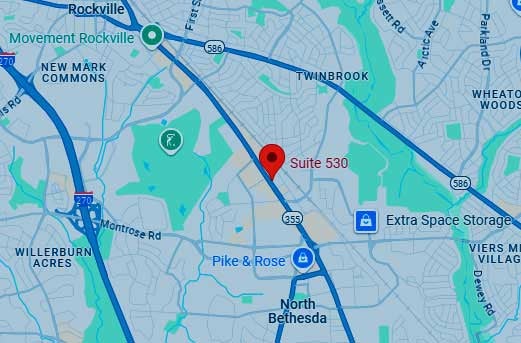
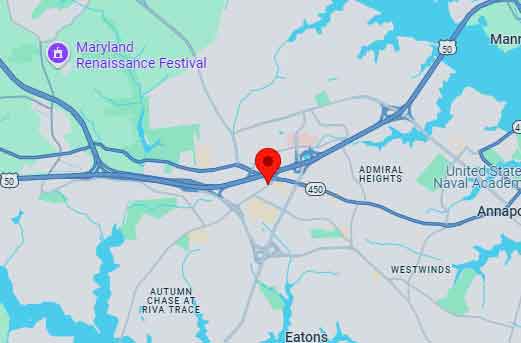
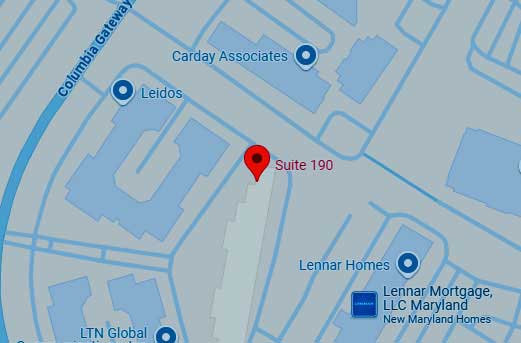
Contact us at Elville and Associates in Columbia, MD soon to talk through your specific situation and decide what the next best steps are for your family. Our Client Care Program keeps your documents and strategies reviewed every year so your family stays protected no matter how life unfolds. Visit us online or call our Columbia office at 443-339-5638. You can reach our Rockville office at 240-456-1657. To visit our Annapolis office, visit our website to set up an appointment.
Recommended Posts

How Do Small Estate Procedures Work in Maryland?

When someone dies in Baltimore, MD, the money and property in that person's name must usually go through the Register of Wills. A probate attorney can tell your family whether Maryland's small estate process can apply. If so, things will be faster, cheaper, and easier. Small Estate Procedures in Baltimore, MD After a death, the person holding the original will must take it to the Register of Wills in the county or city where the deceased person lived, even if the family is not ready to open an estate. That office keeps the will as a public record, and anything titled only in the deceased person's name is a probate asset. Probate assets can't be collected by the family until the office appoints a personal representative to handle it. The personal representative of an estate is usually named in the will, or, if there is no will, the next person Maryland law allows to serve. Going through the normal probate process can be expensive, difficult, and time-consuming, which is why Maryland has an option for small estates. Small Estate Qualification When the probate assets are worth $50,000 or less on the date of death, the estate counts as small. If a surviving spouse is the only person who can inherit, that limit rises to $100,000. The count includes only property in the deceased person's name and property held as tenants in common. A small estate process is meant to be simpler than the process with a regular estate. Most of these files are handled at the Register of Wills desk and don't go to court at all. The office charges no probate fee, which also makes the process cheaper (though the family may still need to pay a newspaper to run a notice, and some files still need a bond). Discovering the Estate Value The process starts when the family has their lawyer put through a Petition for Administration, which lists what the person owned and what the person owed, using values as of the date of death. A List of Interested Persons is also required, and this must name everyone who inherits under the will and everyone who would inherit if there were no will. The people in the second group must be named even if there is a will. Those forms need to be accompanied by the original will, a death certificate, and proof of value for all property, including: Bank, retirement, and stock accounts Land and real estate Furniture, jewelry, and other valuable personal items Vehicles Guns and collectables Inheritance Tax Maryland does have an inheritance tax, but it does not apply to property paid out of a qualifying small estate. That rule is separate from the usual exemptions for a spouse, registered domestic partner, child, parent, grandchild, sibling, or charity. Other relatives who would normally pay a 10% tax on a regular estate do not pay that tax if their inheritance comes from a small estate. Protect Your Estate With a Probate Attorney Whether you're planning your estate and want to ensure everything can be done through the small estate process or you're currently dealing with a loved one's estate, a probate attorney can help you with the process. Visit Elville and Associates today to set up an appointment. We serve the Baltimore area, Columbia, Rockville, Annapolis, and beyond.

When Do Maryland Estate and Inheritance Taxes Affect Your Plan?

Maryland collects both an estate tax and an inheritance tax, and a Columbia, MD estate planning attorney can show you when each tax is likely to affect you and your loved ones and how best to minimize the effects. Maryland Estate and Inheritance Taxes The estate tax measures the value of what you leave as a whole; the inheritance tax is applied against individuals who inherit a particular asset. Maryland is the only state that still imposes both, though some assets are exempt from probate. Estate Tax Details The estate tax applies if your federal gross estate, plus adjusted taxable gifts, plus certain previously elected marital-trust property, equals or exceeds five million dollars. It only applies if you're a Maryland resident when you die, or if you're a nonresident owning real or tangible personal property with a taxable situs in Maryland. The return is due nine months after death, and the tax is due on that same date even if the Comptroller grants more time to file. Property passing to a surviving spouse who is a United States citizen can qualify for a marital deduction, which defers the estate tax until they pass away. Maryland also lets a surviving spouse use the unused portion of the first spouse's five-million-dollar exclusion. Inheritance Tax Details The inheritance tax is a tax on the "privilege" of receiving property from a decedent. Since 2000, neither a spouse, child, grandchild, great-grandchild, stepchild, parent, grandparent, sibling, nor the spouse of a child has to pay any inheritance tax, and a surviving registered domestic partner is exempt now, as well. Any organizations described in Internal Revenue Code section 501(c)(3) are also exempt. Nieces and nephews, uncles and aunts, cousins, friends, or unmarried partners who are not registered domestic partners have to pay 10% of the value of their inheritance to the state. This is true mostly without regard to the size of the estate, though gifts under $1,000 and anything that is dealt with as a small-estate filing are exempt. How They Work Together When both taxes overlap, the inheritance tax gets paid to the Register of Wills and is subtracted from the gross Maryland estate tax. If the inheritance tax equals or exceeds Maryland's computation of the credit for state death taxes, no Maryland estate tax remains. Get Help From an Estate Planning Attorney in Columbia, MD There are various strategies you can use to deal with both these taxes. Living trusts are a great way to take assets out of your estate and designate them for a beneficiary. Charitable giving can reduce the size of your estate, while strategic personal gifts under certain limits can give assets to your loved ones tax-free while reducing the size of the estate. There are more options available. Contact us today at Elville and Associates in Columbia or Rockville today to schedule a free consultation on your estate. We can look through your inventory, every beneficiary form, and the current draft of your will or trust and help you design an estate plan that protects you and your loved ones for the future.

What Should Caregivers Know About Creating a Care Agreement?

If you are providing regular help to an aging parent or relative and considering getting formal payment for that work, be sure to talk to an elder law attorney in Columbia, MD. An experienced lawyer will know how to create a care agreement that protects both of you and satisfies Maryland law. What Caregivers Should Know About Creating a Care Agreement What is a care agreement? A care agreement is sometimes called a personal care agreement or a personal services contract, but it's basically a written document that sets out the specific help you will be giving, when you will give it, and how much you will be paid for that work. Families create these agreements most often when an adult child or other relative has to step in to handle daily tasks that otherwise a professional home-care worker would have to be hired to perform. Can't my relative just give me money? Without a written agreement, money that moves from the care recipient to you is considered a gift. The reason this is such a problem is that, if your relative ends up later needing long-term care and depends on Medicaid, Medicaid will review all financial transfers that took place for five years prior to approving any long-term care benefits. Any transfer of funds that was less than fair market value during that window can trigger a penalty period of ineligibility, and your loved one may not be able to get funds for the care they require. Medicaid has this look-back period to stop people from hiding assets to become eligible for care they're not actually eligible for. A properly drafted care agreement shows that the payments were made in exchange for documented services, not as gifts. Can we do a retroactive agreement? No, the agreement must look forward, never back. The agreement should have a start date, a list of duties, the schedule, and the pay rate. Can my loved one pay me extra because they have it? No, your compensation rate for this work has to be reasonable. Once again, Medicaid will compare the rate you received with what local home health and personal care aides earn, and if your rate was far above the local market, the payments - or at least the excess - will be treated as gifts. Do I need an elder law attorney for drafting an agreement here in Columbia, MD? The problem with drafting the document yourself is how easy it is to miss something that will later either cause problems with Medicaid or with other family members. When you have a professional review the language (or write it entirely for you), compare it to current state and federal rules, confirm that the pay rate is defensible, and make sure the contract fits any existing estate plan, power of attorney, or trust documents that might be in place, you'll have peace of mind that the agreement is doing what it's designed for. For help getting your care agreement in place, contact Elville and Associates in Columbia, Rockland, or Annapolis today to set up a free consultation. We proudly serve families across Central Maryland, the Washington Metro Area, and the Eastern Shore.