Elder Law FAQs
Schedule Your Free Estate Planning Consultation
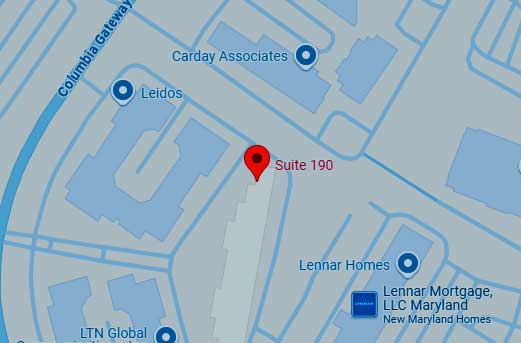
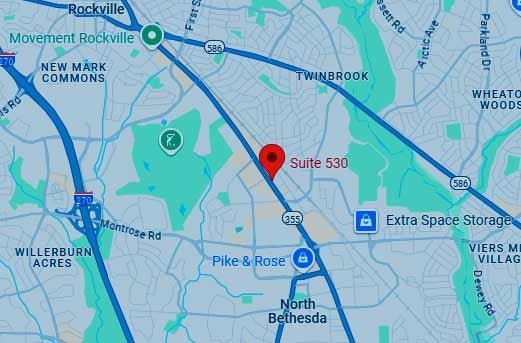
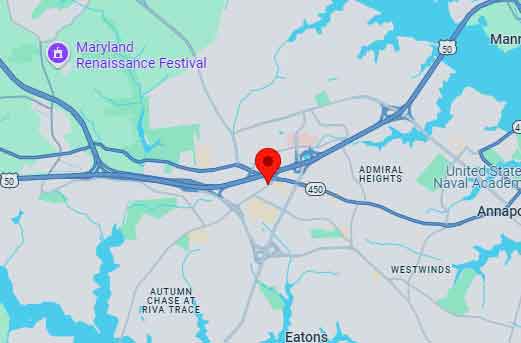
Elder Law FAQs – Legal Planning for Seniors in Columbia, Rockville & Annapolis, MD
As we age, the legal decisions we face become more complex—and often more urgent. Whether you’re concerned about protecting assets from long-term care costs or making healthcare decisions in advance, elder law offers a wide range of tools to help.
The team at Elville & Associates proudly helps seniors and their families plan for life transitions, long-term care, and health-related legal matters. Below are some of the most frequently asked questions we hear from clients across Columbia, Rockville, and Annapolis.
Still have questions? Contact us online or call us at 443-339-5638 to schedule your consultation.
What does an elder law attorney do?
Elder law attorneys focus on legal matters that affect older adults and those with disabilities. This may include:
- Planning for long-term care
- Medicaid eligibility and asset protection
- Guardianship and incapacity issues
- Powers of attorney and healthcare directives
- Retirement and pension-related legal needs
- Estate and legacy planning coordination
You can learn more about our approach to elder care legal services on our elder law overview page.
What’s the difference between elder law and estate planning?
Estate planning typically addresses how assets are distributed after death. Elder law planning focuses more on lifetime needs—such as long-term care, incapacity, medical decisions, and benefit eligibility.
Many of our clients benefit from both. For example, combining a revocable trust with a Medicaid asset protection strategy may help address both end-of-life wishes and near-term care concerns.
When should I start working with an elder law attorney?
Ideally, before a crisis occurs. Early legal planning allows seniors to:
- Appoint trusted decision-makers while capacity is intact
- Structure finances to plan for care-related costs
- Avoid rushed decisions during a medical emergency
Many families reach out after a dementia diagnosis, a fall, or hospital discharge—when options may already be limited. Early planning creates more flexibility and better outcomes.
Can elder law help protect my home from nursing home costs?
Yes. There are legal tools available to help preserve the family home while planning for long-term care. These may include:
- Irrevocable Medicaid Asset Protection Trusts (MAPTs)
- Life estate deeds
- Spousal transfer strategies
- Timing gifts or transfers in line with Medicaid rules
Visit our asset protection page for more insight into these strategies.
How does Medicaid planning work in Maryland?
Medicaid planning involves preparing your finances and legal documents to qualify for long-term care benefits while preserving as many resources as possible for a spouse or heirs.
Maryland’s Medicaid program has specific rules regarding:
- Look-back periods (typically five years)
- Income and asset thresholds
- Transfer penalties
- Exempt vs. countable assets
Our team helps families prepare and submit applications, evaluate timing, and avoid common mistakes that can cause delays or denials.
What legal documents should every senior have?
We recommend that every older adult have the following:
- A durable financial power of attorney
- A healthcare power of attorney and advance directive
- A will or revocable living trust
- A HIPAA release for designated family members
- A plan for incapacity or guardianship if needed
Our estate planning page covers these in more detail and how they work together.
Can elder law help adult children care for their parents?
Yes. Adult children often become caregivers or legal representatives for aging parents. Elder law attorneys can help you:
- Become an authorized healthcare agent or financial power of attorney
- Navigate Medicaid or long-term care decisions
- Legally manage finances or property on behalf of a parent
- Establish or contest guardianship when necessary
We also assist with caregiver agreements and planning that respects the rights and dignity of the older adult.
What if my parent can no longer make legal decisions?
If legal documents were not created in advance, the family may need to seek guardianship through the Maryland courts. This process appoints someone to act on behalf of an incapacitated adult.
Guardianship can be avoided through early planning. But if it becomes necessary, we guide families through the legal steps and help minimize disputes. Visit our guardianship page to learn more.
What types of long-term care planning do you help with?
We assist with:
- Medicaid eligibility planning
- Assisted living and nursing home contract reviews
- Creating asset protection trusts
- Long-term care insurance review
- Coordinating benefits for veterans
Planning for care is not one-size-fits-all. We work with each client’s unique financial and medical situation to recommend options that align with their values and goals.
How can I get started?
We recommend scheduling a consultation with one of our attorneys in Columbia, Rockville, or Annapolis. The experienced team at Elville & Associates will discuss your current needs and develop a plan that may include legal documents, public benefits strategies, and future care planning.
Contact us online or call us at 443-339-5638 to schedule a private consultation with an elder law attorney near you.