Elville and Associates

Blog / Estate Planning

Blog

All Estate Planning Blog Videos & Webinar Recordings News estate financial power of attorney financial planning Probate Wills and Trusts beneficiary elder law estate plan Spotlight attorney digital assets elville and associates financial planners guardianship guardianships Healthcare income tax inheritance power of attorney public benefits special needs planning trust will Access to Music advance medical directive advance medical directives Aid & Attendance Attorney-Client Relationship Beneficiaries Beneficiary Designations Business Planning capital gain Charles A. Borek Client Care Program Consultations Coronavirus (COVID-19) Creative Arts Education elder care Elville Center Elville Center for the Creative Arts Estate and Trust Administration estate litigation estate planning attorney Estate Taxes family Governor Hogan guardian guardianship of the person in terrorem clause incapacity planning including the location Justin M. Ginsburg letter of wishes Music National Health Crisis National Healthcare Decisions Day nationwide health crisis non-probate assets planning attorney powers of attorney probate assets Proper Beneficiary Designations Remote Notarization of Documents Retirement Accounts Retirement Plan Assets revision revocable living trust Schools Secure Act social security administration social security disability insurance social security, Special Needs special needs trust spendthrift clause spendthrift clauses spendthrift trust ssi Super Lawyers supplemental security income survivorship tax Tax Planning testator the business monthly The Elville Center for the Creative Arts The Secure Act Trust Protector Trust Protectors trusts updating of your will Verena veterans administration Waypoint Trust Group

Digital Asset Estate Planning in Maryland | What Happens to Digital Assets After Death

Most people think about passing down a home, savings, or family heirlooms when they plan their estate. What many families overlook is something just as important. Your digital life. Everything from online bank accounts and cryptocurrency to photos stored in the cloud represents real assets with both financial and emotional value. Without a clear plan, family members can struggle to access or manage these accounts, and in some cases, they may lose them entirely. This is why digital asset planning has become a key part of modern estate planning. Understanding what happens to digital assets after death will help you organize your accounts, protect your information, and make things much easier for your loved ones. What Counts as a Digital Asset A digital asset is anything you own or control in digital form. This category is much wider than most people realize. It includes: Email accounts Online bank and investment accounts Cryptocurrency and digital wallets Social media profiles Cloud storage with photos, videos, and documents Online businesses, websites, or domain names Loyalty and rewards accounts Subscription services Digital content such as music, ebooks, or purchased apps Each of these assets may require a separate process for access or transfer, and not all companies allow family members to manage accounts unless you have planned in advance. What Happens to Digital Assets Without a Plan If you pass away without leaving clear instructions, your heirs may run into several challenges. Passwords are usually the biggest roadblock. Even if a family member knows your login information, many companies prohibit unauthorized access. This can lead to frozen accounts, lost digital property, or months of delay while families try to work with customer service departments. Social media accounts may stay active indefinitely unless a designated person is allowed to memorialize or remove them. Cryptocurrency can be lost forever if no one can reach the private keys. Cloud photos and important documents may disappear once subscription payments stop. These problems are common, and they create unnecessary stress during an already difficult time. How to Prepare Your Digital Estate The good news is that a few simple steps can bring clarity and control to your digital life. 1. Make a Full Inventory List all of your digital accounts and assets. Include login instructions, security questions, and notes about how each account is used. 2. Store Your Information Securely Use a password manager or a secure location that your executor or trustee can access. Never rely on sticky notes or scattered documents that can be lost or misinterpreted. 3. Name a Digital Executor Some states recognize a digital executor. This person can manage your online accounts, close or transfer digital property, and follow your instructions. 4. Add Digital Provisions to Your Estate Plan Wills and trusts can include language that authorizes someone to access your digital accounts. Without this language, companies may refuse to release information, even to the personal representative of your estate. 5. Use Built In Legacy Tools Platforms like Google, Apple, and Facebook allow you to choose who can access your account or data after your passing. This adds an extra layer of protection and helps ensure your wishes are followed. Start Planning Your Digital Legacy Today Digital assets are now a meaningful part of everyday life. Taking time to organize and plan for them can prevent confusion, protect your privacy, and help your loved ones handle your affairs with confidence. If you would like help building a thoughtful and comprehensive estate plan that includes your digital life, the team at Elville and Associates is here to guide you. Contact us online to schedule a conversation.


A slip-and-fall can lead to serious injuries and unexpected medical bills. If unsafe conditions in Baltimore caused your fall, Rafael Law, LLC can guide you through the legal process and pursue fair compensation for your recovery. Property owners must keep walkways, stores, and public spaces safe, and our team is ready to protect your rights. If you need help after a fall, reach out today. Contact us online to schedule a consultation.

How Can I Prevent Family Disputes Over My Estate?

It's painful to imagine your loved ones getting into a dispute over your estate, but unfortunately it's fairly common. The best way to prevent such a dispute is with thorough estate planning and the help of an Columbia, MD estate attorney. From an Columbia, MD Estate Attorney: Avoiding Disputes The Biggest Culprits What causes families to get into disputes? The first culprit is a vague will or trust. If it's not completely clear what you want, how your bequests are laid out, or if your will or the trust leaves out some important assets, there is a lot of room for dispute. Another common cause of disputes is when the will is not prepared and filed professionally and thus becomes open to challenge. Be aware that a handwritten will, or holographic will, is only valid in Maryland if it was written by a member of the US armed services while overseas. Other common triggers for disputes have to do with the family itself. If you have complicated family dynamics, such as if you have some stepchildren or a blended family of some sort, or if you've been divorced several times and have children by various spouses, disputes will be more likely. Finally, sometimes disputes come because everyone is simply frustrated and overwhelmed by the process of going through probate. How to Address These Triggers Work With an Attorney The first and most important thing you can do is to work with an experienced Maryland estate attorney. An attorney knows every hoop that Maryland law requires you to jump through, so a lawyer will make sure everything is done properly right from the outset. But beyond that, a good attorney can help you avoid the most common issues by using the right language in your will, advising you on how to communicate with your family, and helping you set up everything to avoid probate as much as possible. Communicate If you let family know in advance what your wishes are, then some of the confusion is eliminated. Your lawyer can give you advice on how to present these issues to your family, and it's especially helpful if you can explain to your family why you've done anything unusual. Keep Things Out of Probate Probate is a difficult, expensive, and time-consuming process that strains everyone's emotions and mental energy to the breaking point. The more of your estate that you can keep out of probate, the easier it will be for your loved ones. Talk to your lawyer about how to do this, as there are several options. You can create trusts, take advantage of yearly financial gifting limits, transfer some of your accounts to pay out directly to a beneficiary after your death, and more. Choose Your Executor Wisely Your executor is the person who will manage your estate as it goes through probate, and it's very important to choose the right person. They must be absolutely impartial, well organized, and have the financial good sense to be able to take care of these tasks. You can choose a lawyer or law firm to do this for you, but if you don't, make sure you ask a lawyer's advice about your executor choice and provide them with a complete list of all assets, all the passwords they're going to need, and your detailed instructions. Reach out to us at Elville and Associates in Columbia, MD now for help with your estate. We serve clients in Rockville and Annapolis.

man going over a legal document

How Do I Safeguard My Business Assets in an Estate Plan?

As you take care of your estate and plan for what will happen to it after you're gone, don't forget your business. Talk to a business planning lawyer with experience here in Annapolis, MD, who can help you safeguard all your assets with the right business plan Safeguarding Your Business With an Annapolis, MD Business Planning Lawyer To keep your business safe, you want a Business Succession Plan in place. A plan like this will make sure that your business is either sold or transferred according to your wishes after your death or incapacitation. The plan can be as detailed as you like, even down to not just naming your successor but also planning out exactly how they are to be trained and how the company will be transferred to them. If you wish for the business to be sold and the proceeds distributed to your beneficiaries, you can lay out important details for this, as well. You might want to think carefully about timing here to ensure your beneficiaries get the most out of your business. Elements of a Good Plan Clear Goals Talk through with your attorney exactly what your objectives are. Once you have these laid out, everything else will fall into place because each item can be evaluated against these goals. At this point, you'll also want to set up how you're going to communicate with your lawyer and how your lawyer will communicate with your successor. Choose a Successor (Optional) If you want your business to continue and plan for it to be managed by someone you trust, think through who you want your successor to be. Obviously, you want to approach a potential successor early on to make sure that they're willing to take on the responsibility. You should also discuss a possible successor not only with your attorney but also with other trusted advisors to ensure you have evaluated both their character and skills correctly. Specify Your Successor's Role and Training Unless your successor is someone already intimately involved in the business on a day-to-day basis, they will probably need training so they can step into your shoes once you're gone. Lay out exactly how you want that to go, as well as the role you want them to take. Plan for Selling or Closing (Optional) The other option, if you don't want your business to continue after you are gone, is to plan for selling or closing it. The best choice is going to depend on your unique situation, so you must talk this through with an experienced attorney. Evaluate All Tax Implications and Discuss Strategies Taxes are always a serious consideration when you sell a business, so talk through carefully with your attorney about what the long-term implications will be for your beneficiaries and what strategies you can put in place now to minimize the tax burden. There are various types of plans, including long-term succession plans and even emergency plans. To get started on the right plan for you and your business, contact Elville and Associates in Annapolis, Rockville, or Columbia, MD for help today.

What Happens If I Die Without a Will According to Maryland’s Intestate Laws?

If you do not have a will, then the laws of Maryland kick in to determine what to do with your assets after your death. Dying without a will is known as dying "intestate," and this is never recommended. Proper will planning with a Rockville, MD estate attorney ensures that your loved ones have the smoothest possible experience after your death and that everything is done according to your wishes. Maryland Intestacy Laws Maryland intestacy laws are quite rigid. The courts are required to follow the rules laid down in the law regardless of a family's unique situation. How your assets are distributed will depend on whether you are married or not and whether you have children or not. If you have living parents, they could also be involved. Married With Children If your children are underage, then your spouse gets half of your assets, and the other half is distributed to your children. If your children are adults, then the process depends on whether the children are also the children of your surviving spouse. If they are not, then your spouse receives the first $100,000 of your estate plus half of the remaining property that goes through probate. The other half is distributed to the children. If the children are also the children of your surviving spouse, then your entire estate goes to your spouse on the assumption that, when your spouse passes, the estate will then be divided equally amongst your children. There is no mechanism in intestacy law for any of your children to receive a lesser or greater portion of your estate. Married But No Children If you do not have any children, then your spouse gets 100% of your probated property. Your parents and siblings would not get anything in this situation, and neither would any stepchildren or foster children, unless you have officially adopted them. Legally adopted children are no different from birth children in the eyes of the law. If you do not have any children, then your spouse gets 100% of your probated property. Your parents and siblings would not get anything in this situation, and neither would any stepchildren or foster children, unless you have officially adopted them. Legally adopted children are no different from birth children in the eyes of the law. If you do not have any children, then your spouse gets 100% of your probated property. Your parents and siblings would not get anything in this situation, and neither would any stepchildren or foster children, unless you have officially adopted them. Legally adopted children are no different from birth children in the eyes of the law. If you do not have any children, then your spouse gets 100% of your probated property. Your parents and siblings would not get anything in this situation, and neither would any stepchildren or foster children, unless you have officially adopted them. Legally adopted children are no different from birth children in the eyes of the law. Not Married and No Children If you are not married and have no children, then your assets are given out to your closest relatives. Your parents would have the first right to your estate in this situation, and your siblings come next if your parents have already passed away. If there are no living parents and no living siblings, then grandparents, aunts and uncles, nieces and nephews, and cousins all stand to inherit your property, depending on the precise situation. The Benefits of Will Planning With a Rockville, MD Attorney When you plan out your will with an attorney, you have the opportunity to determine exactly how you want your assets to be distributed. This can be very important if you have, for example, one child that you know stands in need of more assets than the others. Another benefit to planning your will is that you can adjust your estate in such a way that much of it can avoid probate completely. This simplifies the process enormously for your family as well as ensuring that everything goes exactly where you want it to upon your death. Your assets belong to you and should be distributed according to your will, not the will of the state of Maryland. Contact us at Elville and Associates in Columbia, Rockville, or Annapolis, MD today to ensure your wishes are followed.

Healthcare proxy real estate plan in Maryland

Do I Need a Healthcare Proxy in My Estate Plan?

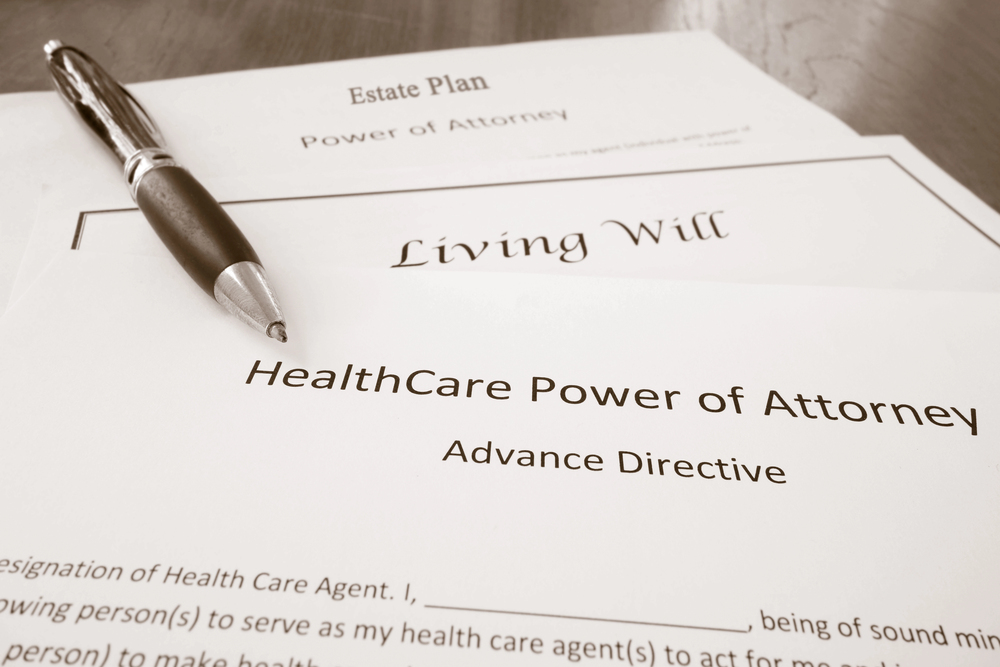
A comprehensive estate plan shouldn't only cover your property and assets; it should also make sure that your wishes regarding your own personal care will be honored, even if you are not able to advocate for yourself. If you're looking into estate planning and are near the Columbia, MD area, read on to find out more about what a healthcare proxy does. Do I Need a Healthcare Proxy in My Estate Plan? Planning for potential incapacity during life is just as important as getting all your ducks in a row when it comes to wills, trusts, and asset distribution after death. In Maryland, the document that is most often used to do this is a Healthcare Proxy, formally referred to as an Advance Directive for Health Care or Health Care Power of Attorney. This document allows you to appoint a trusted individual, known as your healthcare agent, to make medical decisions on your behalf if you are incapacitated. This can include decisions about which doctors treat you, surgical procedures, life-sustaining measures, and other aspects of your medical care. In Maryland law, any competent adult may designate a healthcare agent through a written advance directive. The agent must act in accordance with your stated preferences and in your best interests. You can also include specific instructions, values, or religious beliefs to guide your agent's decisions. Why Is a Healthcare Proxy Important in Estate Planning? Without a valid healthcare proxy in place, it can be difficult for your loved ones to make decisions on your behalf if you become incapacitated. If there is no designated health care agent, Maryland law specifies the type and order of the surrogate decision maker or makers as follows: Guardian of the person Spouse or domestic partner Adult child Parent Adult brother or sister Friend or other relative Though this system was devised with the best of intentions, it can still lead to confusion, family disagreements, or delays in care. For example, if multiple adult children disagree about a parent's treatment, it could result in legal disputes, bad feelings within the family, and even the need for court intervention. Having a healthcare proxy avoids these problems by providing clarity and authority to one person you trust. Consult a Lawyer in Columbia, MD Your healthcare proxy document must meet certain legal requirements to be considered valid in Maryland. An experienced lawyer can make sure that this, along with all other documents relating to your estate plan, are clear, enforceable, and up to date. We can also remind you to review them periodically, especially after major life events such as marriage, divorce, or a serious diagnosis. You can then rest easy knowing that you are prepared for any eventuality. Including a healthcare proxy in your Maryland estate plan is not just wise, it's essential. It protects your medical autonomy, prevents conflict within the family, and ensures that someone you trust is empowered to make informed decisions on your behalf. For more information or to make an appointment with us, contact Elville & Associates at one of our locations in Columbia, Rockville, or Annapolis, MD.

Maryland estate planning attorney, legal requirements for a valid will in Maryland, how to draft a will in Maryland, Maryland probate lawyer, estate planning laws in Maryland, valid last will and testament Maryland, creating a will in Maryland, Maryland wills and estates attorney

What Are the Legal Requirements for Drafting a Valid Will in Maryland?

A will is crucial for ensuring that your last wishes are carried out and that each member of your family in Annapolis, MD receives what you intended. However, if a will isn't executed properly, it may be considered void. It's therefore advisable to seek advice from a professional wills lawyer to ensure that your will complies with all required laws. What Are the Legal Requirements for Drafting a Valid Will in Maryland? Is an Oral Will Valid in Maryland? For a will to be accepted as valid in Maryland, it must be recorded in writing. A handwritten will is valid, provided that it is written entirely in the person's handwriting and also signed. Neither oral nor electronic wills are valid in Maryland. This means that if either an oral or electronic will is left, it cannot be legally used to distribute the estate. Are There Any Other Legal Requirements for a Valid Will in Annapolis, MD? There are only a few basic requirements that must be met to create a valid will in Maryland. The testator (the person making the will) must sign the will in the presence of two witnesses. Both the testator and the witnesses must be at least 18 years old. Beneficiaries can act as witnesses, but this is not generally recommended as it leaves the will vulnerable to being challenged in the future. However, there are other, more complex requirements that must be considered when creating a will. These include ensuring that all the clauses are legally enforceable, and that the testator and witnesses are of sound mind. What Can Render a Will as Invalid? It's not possible to create a definitive list of all the potential problems that may invalidate a will, but some of the most common include: Unclear or missing testator signature Lack of capacity of the testator or witnesses Lack of knowledge of the will's contents by the testator Undue pressure or coercion Invalid witness signatures Subsequent marriage Unenforceable clauses A subsequent marriage may not invalidate the whole will, but it could substantially change the terms. This is because under Maryland law a spouse has a right to inherit a share of the estate, even if they are not included in the will. Unenforceable clauses may also not invalidate the entire will. If the unenforceable clause is central and cannot be simply struck out, the will can be voided completely. Consult an Experienced Wills Lawyer Although it is not a legal requirement to use a lawyer to draft your will, it's strongly advisable. This ensures that all clauses within the will are legally enforceable, and it is properly executed. It also provides a degree of protection against any possible future challenges. Knowing that your will has been professionally drafted and will be legally correct can provide considerable peace of mind when planning your estate. We have extensive experience in comprehensive estate planning, including drafting wills. To find out how we could help you, contact us at Elville and Associates in Columbia, MD today. We also have offices in Annapolis and Rockville, MD for your convenience.

Is a Living Trust Preferable to a Will for Avoiding Probate?

Probate can be a time-consuming process, but there are ways to legally avoid it. In Rockville, MD, one solution is to hire an estate attorney to set up a living trust. This can make it easier to distribute assets and prevent the delays that are common with probate. A living trust is a way of arranging assets that can be put in place before you die. There are two different types of living trusts: revocable and irrevocable. The former allows you to retain control during your lifetime and can be canceled. An irrevocable living trust cannot be canceled, and all control of the assets is handed to the trust. Many individuals prefer the flexibility of a revocable living trust as it's much simpler to manage. Although it's possible to add to an irrevocable trust, the options are more limited and some transactions may require court approval. A revocable living trust allows the arrangements to be altered by a lawyer in response to changing living circumstances without any difficulty. What Are the Benefits of a Living Trust? The main benefit of a living trust is that it removes the named assets from the probate process. With a revocable living trust, it's possible to retain full control during your lifetime while also appointing trustees to manage the assets after your death. It also has the potential to minimize estate taxes by strategically distributing assets to take full advantage of exemptions. If you become incapacitated, the named trustees can use the trust to manage your affairs without needing to go to court. This is an additional benefit that provides peace of mind. How Does a Living Trust Differ from a Will? A will can also be used to distribute assets after death, but it is not automatically exempt from probate. This means there may be delays in distributing the estate. It is not possible to use a will to manage assets prior to death, even in the event of incapacity. This doesn't mean that a will has no value. Many individuals set up a "pour-over will" which works in tandem with the trust. Although the assets aren't exempt from probate, they can be added to the living trust for easy management and distribution. This can be helpful to scoop up any assets that were inadvertently missed from the trust. Seek Advice From an Experienced Estate Attorney The legalities around using a living trust and will for maximum benefit can be complex, so it's essential to seek professional advice. A skilled lawyer can help you structure your finances in a way that avoids probate and makes use of all available allowances. It's advisable to review the arrangements with a lawyer regularly to ensure any changes are incorporated into the arrangements. We deliver customized estate planning and are proud to serve clients in Central Maryland, the Eastern Shore, and the Washington Metro area. Contact Elville & Associates in Columbia, MD for professional advice you can trust. We also have offices in Rockville, MD and Annapolis, MD for convenient appointments.

A Collaborative Approach to Estate Planning

A Collaborative Approach to Estate Planning in Maryland

Elville and Associates, P.C.'s Planning Team Concept: A Collaborative Approach to Estate Planning Estate planning is not a one-size-fits-all process. It requires careful consideration, legal expertise, and a deep understanding of each client’s unique circumstances and goals. At Elville and Associates, P.C., we believe that the best estate plans are built through collaboration. That’s why we encourage clients to take advantage of our Planning Team Concept, a strategy designed to ensure customized, leading-edge estate planning by bringing together a team of professionals, including financial advisors, CPAs, and legal experts. What Is the Planning Team Concept? Elville and Associates, P.C.’s Planning Team Concept is a comprehensive, client-focused approach to estate planning. Rather than relying solely on legal counsel, this concept integrates the expertise of multiple professionals to create a well-rounded and effective estate plan. The primary goal is to educate clients and their families through counseling and superior legal-technical knowledge, empowering them to make informed decisions about their future. By assembling a team of trusted professionals—attorneys, financial advisors, CPAs, and other specialists—Elville and Associates, P.C. ensures that every aspect of a client’s estate plan is thoroughly addressed. This collaboration results in a fully customized plan that meets both the legal and financial needs of the client while anticipating potential challenges. Why a Planning Team Matters Estate planning extends beyond drafting wills and trusts. It involves tax strategies, financial structuring, asset protection, and long-term care planning. No single professional can be an expert in every area, which is why assembling a team of trusted advisors is crucial. Here’s how each professional contributes: Estate Planning Attorneys – Draft and structure estate planning documents such as wills, trusts, and powers of attorney to ensure legal compliance and alignment with a client’s wishes. Financial Advisors – Help manage and allocate assets, plan for retirement, and ensure financial stability for beneficiaries. Certified Public Accountants (CPAs) – Offer tax planning strategies to minimize estate and income taxes, ensuring financial efficiency. Other Specialists – Depending on the client's needs, business valuation experts, elder care consultants, or real estate professionals may be included to offer specialized insight. Customized Estate Planning for Every Client Each client’s estate planning needs are unique, and our Planning Team Concept is designed to reflect that. Whether a client is establishing a trust for minor children, planning for business succession, or ensuring the financial security of a loved one with special needs, the team collaborates to build a plan that is tailored specifically for them. Additionally, this approach provides ongoing support and adaptation as laws change and personal circumstances evolve. Instead of a static plan, clients benefit from an estate strategy that grows with them. How Elville and Associates, P.C. Facilitates the Planning Team Concept At Elville and Associates, P.C., we don’t just draft estate plans—we help assemble the right team to implement and maintain them. Clients are encouraged to involve their existing financial advisors and CPAs in the planning process. If they do not have these professionals in place, we assist in finding the right experts to ensure their estate plan is comprehensive, effective, and aligned with their goals. We take pride in providing clients with a collaborative and educational experience, making complex estate planning processes more approachable. By fostering strong professional relationships and guiding clients through every step, we help build estate plans that offer clarity, protection, and peace of mind. Our Offices and Contact Information Elville and Associates, P.C. has offices in Columbia, MD, Rockville, MD, and Annapolis, MD. If you are ready to take a proactive approach to estate planning with a dedicated team by your side, reach out to us today: Columbia Office: 443-339-5638 Rockville Office: 240-456-1657 Our collaborative approach ensures your estate plan meets your needs today and for generations to come. Contact out estate planning attorneys to get started today.

Estate-Planning-with-Elderly-Parents-1024x683

Estate Planning with Elderly Parents – 8 Tips for Having “The Talk”

Talking about estate planning with elderly parents can be a difficult, emotional topic, but it’s essential for every family. Unless you’re certain your parents have an up-to-date will and a wider plan for what should happen in the event of their passing, don't assume everything will be taken care of. According to a 2017 survey, less than half of Americans have a will. If your mother or father dies intestate (i.e., without a will), such a situation could lead to added emotional strain and stress. I can also have major financial implications for the entire family members. The following 8 tips can help you discuss the hard topics thoroughly and respectfully and prepare your family for the road ahead. 1. Make a Plan to Discuss Estate Planning with Elderly Parents Discussing estate planning and all it entails is not something that should happen without planning. Make a list of topics and questions, then let your parents know what you want to chat about with them. If possible, set a time and date and choose a private venue where everyone will feel comfortable. Be aware that you may need to schedule a few conversations as there could be too much to cover in one sitting. Remember to use language that’s respectful and supportive, and to take a breather if emotions run high or the stress becomes difficult to manage. 2. Identify Key People to Involve in Parents' Estate Planning There are several key people you will need to contact for estate planning purposes, including those listed below. Each of these people plays a valuable role in helping parents understand their estate, including their values and beliefs. These become the pillars upon which a solid estate plan is built. Therefore, ask your parents for the names and contact details of the following people. Doctors Attorney Financial planner and/or accountant Insurance brokers Minister of religion Closest friends 3. Discuss the Possibility of Existing Will Determine if there is an existing will in place and whether the document is up to date. If a will was created more than five years ago, check to see if they will consider reviewing it to ensure that it is a true reflection of their wishes. Establish where they keep their will and confirm who they’ve appointed as the executor. The same goes for any trust that may have been created. And if your parents created a will themselves or wrote an online will, it is essential that it be thoroughly reviewed by an attorney. 4. Talk About Power of Attorney Find out whether your parents have appointed someone to manage their affairs if they become incapacitated. If they haven’t given someone power of attorney, suggest they consider doing so. 5. Discuss Parents' End-of-Life Wishes Even though the subject may be uncomfortable to talk about, you should discuss your parents’ end-of-life wishes with them. Their estate plan will be incomplete without these directives, so it’s important to include them. The form those directives take depend on the state in which you live, and they may include: Appointment of a health care proxy who can make medical decisions for your parents if they become incapable of making those decisions themselves. You can obtain the relevant forms from an elder law attorney or from a hospital or nursing home · A medical or advance directive that explains what sort of care they would like and whether life support should be used to keep them alive or not. These directives can be included in the document that appoints the health care proxy. The directive must refer to the Health Insurance Portability and Accountability Act (HIPAA) when naming the proxy A living will contains instructions regarding the withdrawal or termination of life support under specific conditions, such as your parents becoming terminally ill, becoming comatose, or entering a vegetative state Physician Orders for Life-Sustaining Treatment ( POLST), which provides more explicit directives regarding the type of treatment your parents would or wouldn’t want 6. Ask About Insurance Policies Talk about the type of insurance policies your parents have in place, such as: Health insurance – Medicare or private Life insurance Home insurance Long-term care insurance Disability insurance In some cases, there may be seniors funeral insurance or other policies intended to cover funeral or burial payments. You’ll need to know about these too and have all their details. If you haven’t already done so, take note of the names and contact details of the insurance brokers. Check where the policy documents are kept, and if possible, make certified copies of them. 7. Request Access to Parents' Tax Returns It is important to know where your parents' tax return paperwork is stored. They could be required if the estate becomes complicated. Confirm where you can find these documents and that they’re all up to date. 8. Discuss All Other Practicalities In addition to subjects such as power of attorney and insurance, there are several other practicalities you should include in your conversations. Make a list of their accounts – financial accounts such as bank and mutual fund, credit accounts, and store accounts Check if they are registered organ donors or whether they would consider donating their organs Talk about the memorial service they want and whether they want to be buried, cremated, or some other option. Conclusion Estate planning conversations are tough no matter how you tackle them. When discussing estate planning with elderly parents, try your best to be patient and transparent with other family members about what you’re doing. If you have siblings, invite them to be part of the conversation. Accept that these talks can take time and avoid placing pressure on those involved to get it all done in a few hours. The smaller details are critical and should not be rushed. Lastly, always consult your attorney at Elville and Associates if you’re unsure about the legal aspects or implications of any of the points mentioned above. To set a time to consult with an attorney at Elville and Associates, please contact Legal Administrator Mary Guay Kramer at mary@elvilleassociates.com, or you can reach her on her direct line at 443-741-3635. #elvilleeducation

87c0206919e4ee8eed2c48c1e20704df-1-300x200

A Client Care Program – Ensuring Estate Planning Success

By: Stephen R. Elville -- President and Principal Attorney of Elville and Associates, P.C. A Client Care Program - what is it? Elville and Associates is one of the only law firms in Maryland to offer a Client Care Program (CCP) to its clients and one of only a handful of firms in the country to have its CCP accredited by the Client Care Academy in Boston. Built on the platform of its caring for clients model, the CCP is designed to provide continuing client education to clients, their family members, chosen fiduciaries, and professional advisors, and to encourage clients to update and maintain their estate planning, special needs planning, and elder law to ensure that those plans will work as intended throughout lifetime and at maturity. CCP members enjoy at least four educational and social events per year; annual personal update meetings, discounts on legal services and other product-related services, use of the Elville Studio for production of personal legacy videos and family photography; two hours of discounted attorney time per year; a MIDEO ( M y I nformed D ecisions on Vid EO) Card) and more. Your participation in the CCP can ensure the ultimate success of your planning and remove any doubts or guesswork from the equation. For more information about Elville and Associates’ Client Care Program, please contact CCP Coordinator Mary Guay Kramer at mary@elvilleassociates.com or at 443-741-3635. Are you taking the time to think about ensuring the ultimate success of your estate planning? Stephen R. Elville is the principal and lead attorney of Elville and Associates – Planning for Life, Planning for Legacies #elvilleeducation

Free Estate Planning Consultations with Elville and Associates – Plan for Your Legacy

By:  Stephen R. Elville, J.D., LL.M. – President and Principal Attorney of Elville and Associates, P.C. Estate planning consultations are free at Elville and Associates.  Reviews of existing wills, trusts, powers of attorney, and advance medical directives are also free.  Considering that most people either do not have an estate plan or do not update their existing estate plan for nearly 20 years at a time, doesn’t a no obligation consultation or review make sense?  Contact Elville and Associates today for your free estate planning consultation and review of any existing estate planning documents.  It’s your legacy. Are you taking the time to think about this important estate planning issue? Stephen R. Elville is the principal and lead attorney of Elville & Associates, P.C., a leading estate planning, elder law, and special needs planning law firm in Maryland. Elville and Associates engages clients in a multi-step educational process to ensure that estate, elder law, and special needs planning works from inception, throughout lifetime, and at death. Clients are encouraged to take advantage of the Planning Team Concept for leading-edge, customized planning. The education of clients and their families through counseling and superior legal-technical knowledge is the practical mission of Elville and Associates. If you would like to set an appointment with Mr. Elville to discuss estate or elder law planning issues, you may contact him at 443-393-7696, or via email at steve@elvilleassociates.com. #elvilleeducation

Estate Planning – “What Good Is Education Without Organization?”

By: Stephen R. Elville, J.D, LL.M., Principal and Lead Attorney – Elville and Associates, P.C. OK, it’s time to “get real” as we used to say in the seventies. A wonderful financial advisor friend of mine, a Certified Financial Planner actually, once said to me over dinner, “Steve, you do a stellar job of educating clients and their families about estate planning, elder law, and special needs planning, but what about organization?” The dinner had been going extremely well up to that point, and I had just reached for another shrimp cocktail when he dropped this verbal bomb. Unbeknownst to him, I temporarily froze, and my mind went blank like a computer screen that has just lost power. Feeling the need to keep my composure and continue impressing my friend with my knowledge and intellectual prowess, I quickly realized that I had no good answer. After stumbling around a bit, I mumbled something about estate planning binders, thumb drives, and rooms full of file cabinets. He smiled gently and calmly said something I will never forget: “What good is education without organization?” To this day, based on my experiences with thousands of clients, I believe he was absolutely right. Organization is one of the key elements of estate planning. When the COVID-19 health disaster began, and continuing for many weeks thereafter, our government, and most individuals and families, were caught unprepared. Vital supplies, supply lines, contingency plans, services, and more were either in a state of shortage or non-existence, interrupted, disorganized, or understaffed. The negative results and effects of our national and individual unpreparedness need no explanation here – they were and are tragic and are known to everyone, never to be forgotten during our lifetimes and for decades and even centuries to come. A general lack of preparedness and organization likely caused the illness or death of many people, proving that our country and our citizens largely disbelieved that such a catastrophe could occur. I believe that the cataclysmic COVID-19 pandemic is a metaphor for life and its relationship to estate planning. If the health crisis disaster suggests anything to or about the social order, and if events over the past 100 years are indicative of anything, we must collectively realize that anything is possible and that our modern technology-driven society is not insulated from the effects of nature. We must accept that life represents a series of risks and mitigate those risks through preparedness and organization. In estate planning, preparedness means planning for life (incapacity planning with powers of attorney and advance medical directives) and planning for your legacy (death planning with wills or trusts), along with collaborative financial and tax planning with financial advisors and CPAs. This estate planning, financial planning, and tax planning should be coupled with on-going lifetime continuing education to ensure that your planning ultimately works as you intend it to, and that it does not fail. But this comprehensive planning is not enough without intentional and purposeful organization. We could even go as far as saying that this organization must be extreme. Along these lines, consider two scenarios – one during your lifetime, and one after your death. Let us talk about the lifetime example first, and let’s assume you’ve already taken care of the preparedness aspect – you already have a will or trust, along with powers of attorney and an advance medical directive, and you’ve worked with your collaborative team of advisors to ensure that all assets are properly aligned with your plan, and you’ve continued to educate yourself and your fiduciaries about your planning and their responsibilities relating thereto. Now imagine that you’ve become disabled and cannot manage your own affairs. Where are your financial powers of attorney and advance medical directive located? Where have you stored them? Do you know? Does your agent know where the original documents are? Can they access them? If you’ve utilized a safe deposit box arrangement, does your agent have access to that safe deposit box? If you’ve chosen to utilize a home safe or other similar arrangement, can the agent get access? Where are the keys, codes, or combinations kept? Are your documents stored digitally? If so, where are they and how can they be accessed? Have you authorized your agent(s) to manage your digital assets? Have you organized a digital asset spreadsheet? Do you have a digital archive, and if so, is your agent aware of this? How will your agents find your passwords? Have you provided a set of instructions for your agent about how to manage your affairs during your lifetime – a lifetime memorandum of intent? Are there any persons who are dependent on you, and if so, have you provided instructions to your agent outlining about how they are to provide for those persons? This list is not exclusive, and there may be many other considerations depending on your family’s unique circumstances. Turning now to the death example, many of the same above-mentioned questions and examples apply. Does your personal representative or trustee know where your will or trust is located? Have you educated them about the nature of these documents and how to access them? If you have a will, is it registered? Have you carefully identified your assets and provided a spreadsheet or list for easy review, including digital assets? Have you clarified how the assets are titled, and how those assets will flow at your death in relationship to your will or trust? Have you provided a letter of wishes or memorandum of intent for your trustee? Have you prepared written instructions for your fiduciaries giving them guidance about what next steps they should take after your death, how to administer your estate or trust, and who your attorneys, CPAs, and financial advisors are? It has been said that there is an opportunity or a benefit in every adversity. One such opportunity or benefit stemming from recent world events is that we all can consider and learn from my friend’s gentle but deadly serious admonition: preparedness, continuing education, financial, and tax literacy are vital and necessary components of personal success, including comprehensive estate planning – but without organization – the systematic and logical organization of documents, assets, and systems, along with access plans, our planning house, set on an otherwise firm foundation, can crack and come crumbling down at some unexpected time when it is needed most. As I conclude this article, I can say now that I know the answer to my friend’s question of so long ago, “what good is education (in estate planning) without organization?” The answer is: it is stupendous, vital, fundamental, and critical to success; but its value becomes limited where no extreme organization exists, due to the state of our lives and world, and the nature of estate planning when it is needed during a time of incapacity or at death. Therefore, after a lifetime as an estate planning attorney, I have concluded that education and organization are synonymous with success in estate, elder law, and special needs planning. Isn’t it time to get organized?

Contact Us

Fill out this form below and we'll contact you shortly
*Required Fields