Elville and Associates

Blog

All Blog Videos & Webinar Recordings News Estate Planning Wills and Trusts Probate Spotlight Estate Taxes Justin M. Ginsburg Verena

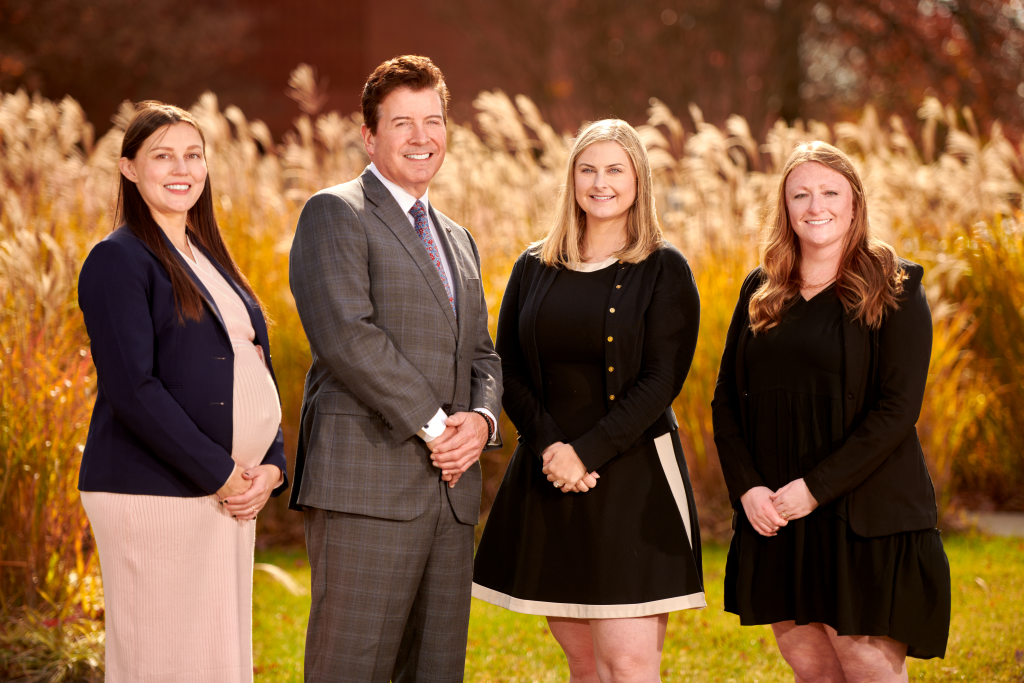
Managing Principal Stephen Elville, Principal Attorneys Shannon Goodwin and Shannon Ladner, and Associate Attorney Sara von Stein Echeverria Honored on the 2026 Maryland Super Lawyers and Rising Stars Lists

Authored by: Jeffrey D. Stauffer – Community Relations Director It was announced on Friday, December 19 th that Managing Principal Stephen Elville, Principal Attorneys Shannon Goodwin and Shannon Ladner, and Associate Attorney Sara von Stein Echeverria were honored on the 2026 Maryland Super Lawyers and Rising Stars Lists. more Stephen R. Elville, J.D., LL.M. — Managing Principal Stephen R. Elville, President, CEO, and Managing Principal of Elville & Associates, P.C., has again been selected to the 2026 Maryland Super Lawyers List — his 11th overall and 10th consecutive year receiving this recognition. Mr. Elville’s practice centers on helping individuals and families through challenging legal landscapes with clarity, compassion, and technical skill. He leads the firm’s work in estate planning, elder law, special needs planning, tax planning and asset protection and preservation, long-term care planning, and more. Clients working with Mr. Elville benefit from his deep experience navigating both pre-crisis planning and complex crisis situations — giving them peace of mind and a personalized, long-term strategy. Throughout his career, Mr. Elville has built a reputation as one of Maryland’s most respected attorneys. His broad legal-technical knowledge, combined with a caring and client-focused approach, enables him to address a wide range of legal matters with confidence and clarity. In addition to his client work, he is a seasoned educator and speaker, regularly offering webinars and workshops for clients and the surrounding community, along with continuing education events for financial advisors. Mr. Elville is an active member of several professional organizations including the National Association of Elder Law Attorneys (NAELA), WealthCounsel, the Academy of Special Needs Planners, and as well as the EPIC Peer Group where he travels around the country each quarter learning from and teaching likeminded attorneys. He has held leadership roles including the past Chair of the Estates & Trusts & Elder Law Sections of the Howard County Bar Association, past President of the Coalition of Geriatric Services (COGS), and past Chair of the Elder Law & Disability Rights Section Council of the Maryland State Bar Association. He was also the long-term Chair for Law Day Maryland and recently served as Chair of the Pro Bono Subcommittee of the Elder Law Disability Rights Section Council. Outside of his legal practice, he is President of the Friends of Baltimore Classical Music, Inc. and Founder of the Elville Center for the Creative Arts, Inc. — a nonprofit dedicated to furthering music education for students with limited means.  Mr. Elville had a feature story written about him in the national Super Lawyers Magazine about the Elville Center and his efforts surrounding this initiative. Along with his charitable endeavors, Mr. Elville also supports community organizations such as the Autism Society of Maryland, the Brain Injury Association of Maryland, the National Alliance on Mental Illness of Howard County, the Howard County Public Library System Veterans Book Group program, and more. Shannon Goodwin, J.D. — Principal Attorney Shannon Goodwin has been named to the 2026 Rising Stars List for a third consecutive year. In her role as Principal Attorney, she leads Elville and Associates’ Estate and Trust Administration Department along with estate planning and tax planning. Ms. Goodwin guides clients through every aspect of administering estates — from the probate process and inventory reporting, to accountings, final distributions, and all detailed estate tasks. Her insight and dedication help families navigate what can often be complicated and emotionally difficult processes. Her background includes undergraduate studies at North Carolina State University, followed by law school — during which she distinguished herself as a member of the Syracuse Law Review. After graduation, she gained important legal experience working as a Judicial Law Clerk for three years in the Circuit Court for Washington County, and in the District Court for Washington and Frederick Counties. She joined Elville and Associates in 2021, bringing with her a strong foundation and commitment to client care. Shannon F. Ladner, J.D. — Principal Attorney Shannon F. Ladner has earned her place on the 2026 Rising Stars List for the fourth year in a row. She leads the firm’s Estate Planning Department, where she assists clients through every stage of planning — from initial consultation to plan design and implementation, and ongoing updates as laws and life circumstances evolve. Ms. Ladner’s practice emphasizes estate planning and special needs planning. Her work is grounded in a thoughtful, client-centered approach, ensuring that each plan reflects the client’s values, goals, and unique family situation. During law school, she contributed her talents to the Human Trafficking Prevention Project Clinic, representing victims of human trafficking as a Rule 19 Student Attorney. After receiving her J.D., she served as a Judicial Law Clerk for Magistrates Susan M. Marzetta and Lori Joy Eisner in the Circuit Court for Baltimore City. Before joining Elville and Associates, she practiced at a small law firm in Towson, Maryland where she gained valuable experience representing clients in family law and criminal matters. Sara von Stein Echeverria, J.D. — Associate Attorney 2026 is Sara von Stein Echeverria’s first of what we see as many future inclusions on the Maryland Rising Stars list.  Ms. von Stein Echeverria focuses her practice on estate planning, estate and trust administration, special needs planning, asset protection, and tax planning. She is known for her thoughtful, client-centered approach and her ability to guide individuals and families through complex planning decisions with clarity, empathy, and care. Sara works closely with clients to develop comprehensive plans that protect loved ones, reflect personal values, and provide long-term peace of mind. Sara earned her Juris Doctor, summa cum laude, from the University of Baltimore School of Law, where she distinguished herself through academic excellence and legal scholarship. She also holds a Master of Science from Birkbeck College, University of London, and a Bachelor of Arts, cum laude, from Dickinson College. Prior to joining Elville and Associates, her work included humanitarian and immigration-related legal advocacy, experience that continues to inform her compassionate and inclusive approach to client service. Sara is admitted to practice in Maryland and is an active member of the Maryland State Bar Association, the American Bar Association, and the Baltimore City Bar Association. To learn more about this year’s honorees and the entire team at Elville and Associates, please visit www.elvilleassociates.com. The firm is steadfast in its commitment to client education, compassionate legal service, and providing peace-of-mind solutions across estate planning, elder law, special needs planning, and beyond. Super Lawyers, a Thomson Reuters business, is a rating service of outstanding lawyers from more than 70 practice areas who have attained a high degree of peer recognition and professional achievement. The annual selections are made using a patented multiphase process that includes a statewide survey of lawyers, an independent research evaluation of candidates and peer reviews by practice area. The result is a credible, comprehensive and diverse listing of exceptional attorneys. The Super Lawyers lists are published nationwide in Super Lawyers Magazines and in leading city and regional magazines and newspapers across the country. Super Lawyers Magazines also feature editorial profiles of attorneys who embody excellence in the practice of law. For more information about Super Lawyers, visit SuperLawyers.com. #elvilleeducation

Digital Asset Estate Planning in Maryland | What Happens to Digital Assets After Death

Most people think about passing down a home, savings, or family heirlooms when they plan their estate. What many families overlook is something just as important. Your digital life. Everything from online bank accounts and cryptocurrency to photos stored in the cloud represents real assets with both financial and emotional value. Without a clear plan, family members can struggle to access or manage these accounts, and in some cases, they may lose them entirely. This is why digital asset planning has become a key part of modern estate planning. Understanding what happens to digital assets after death will help you organize your accounts, protect your information, and make things much easier for your loved ones. What Counts as a Digital Asset A digital asset is anything you own or control in digital form. This category is much wider than most people realize. It includes: Email accounts Online bank and investment accounts Cryptocurrency and digital wallets Social media profiles Cloud storage with photos, videos, and documents Online businesses, websites, or domain names Loyalty and rewards accounts Subscription services Digital content such as music, ebooks, or purchased apps Each of these assets may require a separate process for access or transfer, and not all companies allow family members to manage accounts unless you have planned in advance. What Happens to Digital Assets Without a Plan If you pass away without leaving clear instructions, your heirs may run into several challenges. Passwords are usually the biggest roadblock. Even if a family member knows your login information, many companies prohibit unauthorized access. This can lead to frozen accounts, lost digital property, or months of delay while families try to work with customer service departments. Social media accounts may stay active indefinitely unless a designated person is allowed to memorialize or remove them. Cryptocurrency can be lost forever if no one can reach the private keys. Cloud photos and important documents may disappear once subscription payments stop. These problems are common, and they create unnecessary stress during an already difficult time. How to Prepare Your Digital Estate The good news is that a few simple steps can bring clarity and control to your digital life. 1. Make a Full Inventory List all of your digital accounts and assets. Include login instructions, security questions, and notes about how each account is used. 2. Store Your Information Securely Use a password manager or a secure location that your executor or trustee can access. Never rely on sticky notes or scattered documents that can be lost or misinterpreted. 3. Name a Digital Executor Some states recognize a digital executor. This person can manage your online accounts, close or transfer digital property, and follow your instructions. 4. Add Digital Provisions to Your Estate Plan Wills and trusts can include language that authorizes someone to access your digital accounts. Without this language, companies may refuse to release information, even to the personal representative of your estate. 5. Use Built In Legacy Tools Platforms like Google, Apple, and Facebook allow you to choose who can access your account or data after your passing. This adds an extra layer of protection and helps ensure your wishes are followed. Start Planning Your Digital Legacy Today Digital assets are now a meaningful part of everyday life. Taking time to organize and plan for them can prevent confusion, protect your privacy, and help your loved ones handle your affairs with confidence. If you would like help building a thoughtful and comprehensive estate plan that includes your digital life, the team at Elville and Associates is here to guide you. Contact us online to schedule a conversation.

A slip-and-fall can lead to serious injuries and unexpected medical bills. If unsafe conditions in Baltimore caused your fall, Rafael Law, LLC can guide you through the legal process and pursue fair compensation for your recovery. Property owners must keep walkways, stores, and public spaces safe, and our team is ready to protect your rights. If you need help after a fall, reach out today. Contact us online to schedule a consultation.

How Can I Prevent Family Disputes Over My Estate?

It's painful to imagine your loved ones getting into a dispute over your estate, but unfortunately it's fairly common. The best way to prevent such a dispute is with thorough estate planning and the help of an Columbia, MD estate attorney. From an Columbia, MD Estate Attorney: Avoiding Disputes The Biggest Culprits What causes families to get into disputes? The first culprit is a vague will or trust. If it's not completely clear what you want, how your bequests are laid out, or if your will or the trust leaves out some important assets, there is a lot of room for dispute. more Another common cause of disputes is when the will is not prepared and filed professionally and thus becomes open to challenge. Be aware that a handwritten will, or holographic will, is only valid in Maryland if it was written by a member of the US armed services while overseas. Other common triggers for disputes have to do with the family itself. If you have complicated family dynamics, such as if you have some stepchildren or a blended family of some sort, or if you've been divorced several times and have children by various spouses, disputes will be more likely. Finally, sometimes disputes come because everyone is simply frustrated and overwhelmed by the process of going through probate. How to Address These Triggers Work With an Attorney The first and most important thing you can do is to work with an experienced Maryland estate attorney. An attorney knows every hoop that Maryland law requires you to jump through, so a lawyer will make sure everything is done properly right from the outset. But beyond that, a good attorney can help you avoid the most common issues by using the right language in your will, advising you on how to communicate with your family, and helping you set up everything to avoid probate as much as possible. Communicate If you let family know in advance what your wishes are, then some of the confusion is eliminated. Your lawyer can give you advice on how to present these issues to your family, and it's especially helpful if you can explain to your family why you've done anything unusual. Keep Things Out of Probate Probate is a difficult, expensive, and time-consuming process that strains everyone's emotions and mental energy to the breaking point. The more of your estate that you can keep out of probate, the easier it will be for your loved ones. Talk to your lawyer about how to do this, as there are several options. You can create trusts, take advantage of yearly financial gifting limits, transfer some of your accounts to pay out directly to a beneficiary after your death, and more. Choose Your Executor Wisely Your executor is the person who will manage your estate as it goes through probate, and it's very important to choose the right person. They must be absolutely impartial, well organized, and have the financial good sense to be able to take care of these tasks. You can choose a lawyer or law firm to do this for you, but if you don't, make sure you ask a lawyer's advice about your executor choice and provide them with a complete list of all assets, all the passwords they're going to need, and your detailed instructions. Reach out to us at Elville and Associates in Columbia, MD now for help with your estate. We serve clients in Rockville and Annapolis.

Worried your heirs might contest your trust? Learn the common grounds for challenges and how a Rockville, MD estate lawyer can help protect your wishes.

Should I Form a Trust to Transfer My Business to Beneficiaries?

When you set up a trust, you're expecting that the terms will be upheld and your assets will be distributed precisely according to your wishes. However, there are situations where heirs can bring contests to challenge the terms of a trust, and working with a Rockville, MD estate lawyer is the best way to ensure that won't happen. more Can My Heirs Contest the Terms of My Trust? Yes; If They Have Grounds Maryland law recognizes certain grounds for bringing a legal challenge to a trust. One is fraud. To allege fraud, your heirs will have to be able to prove that you were misled or lied to, perhaps by someone falsifying a document, and you either created the trust based on this lie or added terms you would not otherwise have included because of the fraud. Another grounds for bringing a challenge is lack of capacity. This argues that you as the grantor were not of sound mind when you created the trust. The argument is usually that illness, age, or injury caused you to lack the mental capacity necessary to make decisions. Your heirs might also bring a challenge of undue influence, which asserts that you were coerced or manipulated in some way into creating or changing the trust to benefit a particular person. Finally, your heirs can challenge whether the trust was legally and properly executed in the first place. How to Avoid a Challenge While it's impossible to guarantee no chance whatsoever of your heirs bringing a challenge, there are things you can do to make it much less likely: Work With an Experienced Rockville, MD Estate Lawyer Working with a good estate attorney from the outset is the most important thing you can do. Your attorney will make sure everything is done right, advise you on how to discuss the terms with your heirs, suggest clauses that can minimize challenge opportunities, and be able to testify that you were of sound mind at the time of the trust's preparation. Communicate With Heirs Many issues can be avoided entirely just by proactively communicating to avoid misunderstanding. If you're going to leave someone out, make sure they know why. If you're going to give more to one child than another, explain: maybe that child gave you a loan or took care of you when you were ill in a way the other children did not. Communication is always helpful. Update When Necessary If your life changes, such as if another child is born or you divorce, be sure to keep up with your trust and change anything important. Include a No-Contest Clause This clause automatically disinherits any beneficiary who challenges the trust with a spurious claim. If there's a legitimate concern, such as if one of your heirs were to realize fraud had been committed against you when you made the trust, this clause wouldn't go into effect. But it does prevent frivolous claims that have no basis. Your heirs may be able to challenge your trust, but there are things you can do to protect both them and your assets. Talk to us today at Elville and Associates in Rockville, Columbia, or Annapolis, MD today to get started.

man going over a legal document

How Do I Safeguard My Business Assets in an Estate Plan?

As you take care of your estate and plan for what will happen to it after you're gone, don't forget your business. Talk to a business planning lawyer with experience here in Annapolis, MD, who can help you safeguard all your assets with the right business plan Safeguarding Your Business With an Annapolis, MD Business Planning Lawyer more To keep your business safe, you want a Business Succession Plan in place. A plan like this will make sure that your business is either sold or transferred according to your wishes after your death or incapacitation. The plan can be as detailed as you like, even down to not just naming your successor but also planning out exactly how they are to be trained and how the company will be transferred to them.If you wish for the business to be sold and the proceeds distributed to your beneficiaries, you can lay out important details for this, as well. You might want to think carefully about timing here to ensure your beneficiaries get the most out of your business. Elements of a Good Plan Clear Goals Talk through with your attorney exactly what your objectives are. Once you have these laid out, everything else will fall into place because each item can be evaluated against these goals. At this point, you'll also want to set up how you're going to communicate with your lawyer and how your lawyer will communicate with your successor. Choose a Successor (Optional) If you want your business to continue and plan for it to be managed by someone you trust, think through who you want your successor to be. Obviously, you want to approach a potential successor early on to make sure that they're willing to take on the responsibility. You should also discuss a possible successor not only with your attorney but also with other trusted advisors to ensure you have evaluated both their character and skills correctly. Specify Your Successor's Role and Training Unless your successor is someone already intimately involved in the business on a day-to-day basis, they will probably need training so they can step into your shoes once you're gone. Lay out exactly how you want that to go, as well as the role you want them to take. Plan for Selling or Closing (Optional) The other option, if you don't want your business to continue after you are gone, is to plan for selling or closing it. The best choice is going to depend on your unique situation, so you must talk this through with an experienced attorney. Evaluate All Tax Implications and Discuss Strategies Taxes are always a serious consideration when you sell a business, so talk through carefully with your attorney about what the long-term implications will be for your beneficiaries and what strategies you can put in place now to minimize the tax burden. There are various types of plans, including long-term succession plans and even emergency plans. To get started on the right plan for you and your business, contact Elville and Associates in Annapolis, Rockville, or Columbia, MD for help today.

What Happens If I Die Without a Will According to Maryland’s Intestate Laws?

If you do not have a will, then the laws of Maryland kick in to determine what to do with your assets after your death. Dying without a will is known as dying "intestate," and this is never recommended. Proper will planning with a Rockville, MD estate attorney ensures that your loved ones have the smoothest possible experience after your death and that everything is done according to your wishes. more Maryland Intestacy Laws Maryland intestacy laws are quite rigid. The courts are required to follow the rules laid down in the law regardless of a family's unique situation. How your assets are distributed will depend on whether you are married or not and whether you have children or not. If you have living parents, they could also be involved. Married With Children If your children are underage, then your spouse gets half of your assets, and the other half is distributed to your children. If your children are adults, then the process depends on whether the children are also the children of your surviving spouse. If they are not, then your spouse receives the first $100,000 of your estate plus half of the remaining property that goes through probate. The other half is distributed to the children. If the children are also the children of your surviving spouse, then your entire estate goes to your spouse on the assumption that, when your spouse passes, the estate will then be divided equally amongst your children. There is no mechanism in intestacy law for any of your children to receive a lesser or greater portion of your estate. Married But No Children If you do not have any children, then your spouse gets 100% of your probated property. Your parents and siblings would not get anything in this situation, and neither would any stepchildren or foster children, unless you have officially adopted them. Legally adopted children are no different from birth children in the eyes of the law. If you do not have any children, then your spouse gets 100% of your probated property. Your parents and siblings would not get anything in this situation, and neither would any stepchildren or foster children, unless you have officially adopted them. Legally adopted children are no different from birth children in the eyes of the law. If you do not have any children, then your spouse gets 100% of your probated property. Your parents and siblings would not get anything in this situation, and neither would any stepchildren or foster children, unless you have officially adopted them. Legally adopted children are no different from birth children in the eyes of the law. If you do not have any children, then your spouse gets 100% of your probated property. Your parents and siblings would not get anything in this situation, and neither would any stepchildren or foster children, unless you have officially adopted them. Legally adopted children are no different from birth children in the eyes of the law. Not Married and No Children If you are not married and have no children, then your assets are given out to your closest relatives. Your parents would have the first right to your estate in this situation, and your siblings come next if your parents have already passed away. If there are no living parents and no living siblings, then grandparents, aunts and uncles, nieces and nephews, and cousins all stand to inherit your property, depending on the precise situation. The Benefits of Will Planning With a Rockville, MD Attorney When you plan out your will with an attorney, you have the opportunity to determine exactly how you want your assets to be distributed. This can be very important if you have, for example, one child that you know stands in need of more assets than the others. Another benefit to planning your will is that you can adjust your estate in such a way that much of it can avoid probate completely. This simplifies the process enormously for your family as well as ensuring that everything goes exactly where you want it to upon your death. Your assets belong to you and should be distributed according to your will, not the will of the state of Maryland. Contact us at Elville and Associates in Columbia, Rockville, or Annapolis, MD today to ensure your wishes are followed.

Healthcare proxy real estate plan in Maryland

Do I Need a Healthcare Proxy in My Estate Plan?

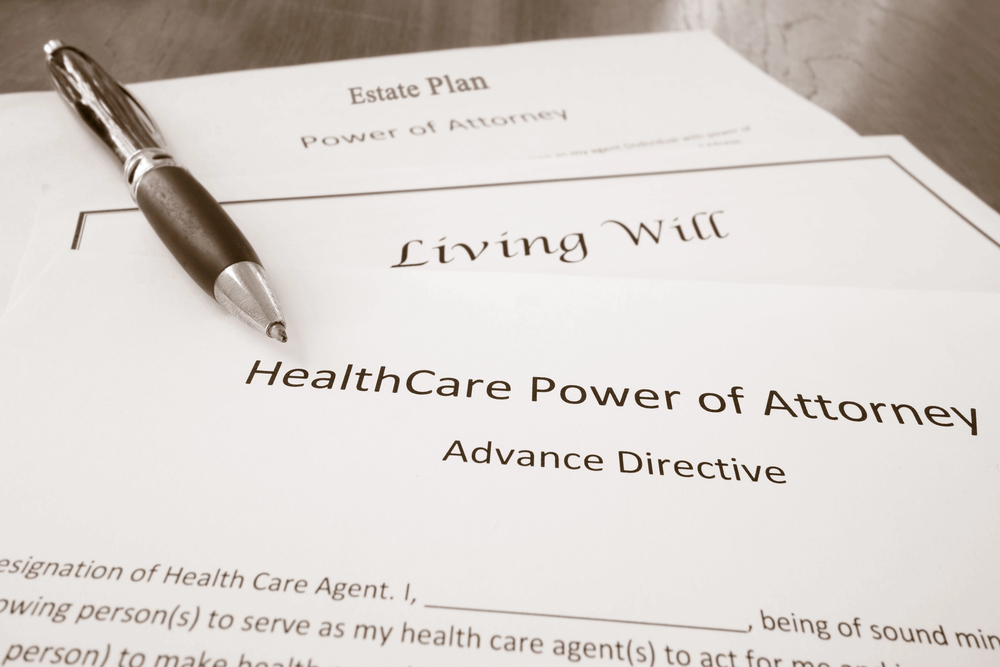
A comprehensive estate plan shouldn't only cover your property and assets; it should also make sure that your wishes regarding your own personal care will be honored, even if you are not able to advocate for yourself. If you're looking into estate planning and are near the Columbia, MD area, read on to find out more about what a healthcare proxy does. more Do I Need a Healthcare Proxy in My Estate Plan? Planning for potential incapacity during life is just as important as getting all your ducks in a row when it comes to wills, trusts, and asset distribution after death. In Maryland, the document that is most often used to do this is a Healthcare Proxy, formally referred to as an Advance Directive for Health Care or Health Care Power of Attorney. This document allows you to appoint a trusted individual, known as your healthcare agent, to make medical decisions on your behalf if you are incapacitated. This can include decisions about which doctors treat you, surgical procedures, life-sustaining measures, and other aspects of your medical care. In Maryland law, any competent adult may designate a healthcare agent through a written advance directive. The agent must act in accordance with your stated preferences and in your best interests. You can also include specific instructions, values, or religious beliefs to guide your agent's decisions. Why Is a Healthcare Proxy Important in Estate Planning? Without a valid healthcare proxy in place, it can be difficult for your loved ones to make decisions on your behalf if you become incapacitated. If there is no designated health care agent, Maryland law specifies the type and order of the surrogate decision maker or makers as follows: Guardian of the person Spouse or domestic partner Adult child Parent Adult brother or sister Friend or other relative Though this system was devised with the best of intentions, it can still lead to confusion, family disagreements, or delays in care. For example, if multiple adult children disagree about a parent's treatment, it could result in legal disputes, bad feelings within the family, and even the need for court intervention. Having a healthcare proxy avoids these problems by providing clarity and authority to one person you trust. Consult a Lawyer in Columbia, MD Your healthcare proxy document must meet certain legal requirements to be considered valid in Maryland. An experienced lawyer can make sure that this, along with all other documents relating to your estate plan, are clear, enforceable, and up to date. We can also remind you to review them periodically, especially after major life events such as marriage, divorce, or a serious diagnosis. You can then rest easy knowing that you are prepared for any eventuality. Including a healthcare proxy in your Maryland estate plan is not just wise, it's essential. It protects your medical autonomy, prevents conflict within the family, and ensures that someone you trust is empowered to make informed decisions on your behalf. For more information or to make an appointment with us, contact Elville & Associates at one of our locations in Columbia, Rockville, or Annapolis, MD.

estate tax planning maryland, columbia md estate lawyer, rockville estate planning attorney, annapolis tax protection strategies, maryland estate planning tips

How Can I Protect My Estate From High Taxation in Maryland?

Estate planning is about more than passing down property. It is also about preserving the value of what you leave behind. In Maryland, estate taxes can diminish the value of an estate significantly if you do not take proactive steps to protect it. Receiving support from an estate planning attorney in Annapolis, MD is the first step to protecting your estate. From an Estate Planning Attorney in Annapolis, MD: Protecting Your Estate From High Taxation Unlike most states, Maryland imposes both an estate tax and an inheritance tax. The Maryland estate tax applies to estates exceeding a certain exemption amount, which is subject to change under state law, and amounts above this exemption may be taxed at rates as high as 16 percent. Looking to the future, this tax would apply to the value of your estate at the time of your death. This includes any real estate, all bank accounts, retirement assets, life insurance proceeds, and your personal property. Without careful planning, your estate could face a huge tax burden that greatly reduces what your heirs ultimately receive. more Evaluating the Role of Lifetime Gifts You may be able to reduce your taxable estate by giving assets to your beneficiaries during your lifetime. Maryland law permits certain lifetime gifts that can remove assets from your estate and lower your potential tax exposure. However, gift planning must be done carefully to avoid triggering the federal gift tax or undermining other estate goals. We can help you evaluate your options, including the annual gift tax exclusion and other lawful strategies that fit your broader plan. Using Trusts to Limit Tax Exposure Trusts are one of the most effective tools we use to help clients protect their estates. A properly structured trust can move assets out of your taxable estate while allowing you to retain some control over their use. We work with you to select and draft trust instruments that serve your interests while maximizing all the possible tax advantages under Maryland law. Coordinating With Federal Tax Rules Maryland estate tax planning must align with federal tax rules, including the federal estate tax exemption and gift tax laws. In some cases, the federal and state exemptions set different requirements, which means you may need expert legal support to avoid unintended tax consequences or a situation where protecting yourself in one direction exposes you in another. We can help you structure your estate plan in a way that addresses both state and federal tax issues, ensuring that your strategies are cohesive and legally sound. We know that protecting your estate from high taxation requires more than a one-size-fits-all solution, and your assets, family dynamics, and long-term goals deserve personalized attention. We will help you understand your options, implement strategies that comply with Maryland law as well as federal regulation, and secure the most favorable tax outcome possible. Schedule a consultation with us today at Elville & Associates at one of our locations in Annapolis, Columbia, and Rockville, MD, to begin building a plan that protects what matters to you.

estate planning lawyer in Columbia MD, Rockville estate attorney, Annapolis probate lawyer, assets exempt from probate Maryland, Maryland estate planning services, non-probate assets in Maryland, probate exemptions Columbia Rockville Annapolis

Which Assets Are Exempt from Probate in Maryland Estate Planning?

Estate planning in Maryland allows you to determine how your assets are handled after your death, and one of the most effective strategies for protecting your estate is to first identify which assets pass outside of probate. Knowing what qualifies as exempt can help you streamline your plan and minimize unnecessary legal delays. Understanding this process with the support of an estate planning lawyer in Rockville, MD, is the first step to planning your financial future. From an Estate Planning Lawyer in Rockville, MD: Assets That Are Not Subject to Probate Transferring Jointly Owned Property Assets held in joint tenancy with right of survivorship do not go through probate when one owner passes away. Instead, ownership automatically transfers to the surviving joint owner. This applies to both real estate and financial accounts. For example, if you and your spouse own a home together as joint tenants, your share will transfer directly to your spouse without the need for probate. Maryland law supports this form of ownership as long as it is clearly stated in the title or account registration. We review your records to confirm that joint ownership is documented properly. more Distributing Payable-on-Death and Transfer-on-Death Accounts Bank accounts, investment accounts, and retirement funds often allow you to name a beneficiary through a payable-on-death or transfer-on-death designation. These designations override the terms of your will and allow the account to transfer directly to the named individual. This avoids probate and provides faster access to funds. To ensure these designations are valid, you must complete the correct forms with the financial institution and keep them updated if your circumstances change. Passing Life Insurance Proceeds Outside of Probate Life insurance policies are paid directly to the named beneficiaries listed on the policy. These proceeds are not subject to probate unless you name your estate as the beneficiary or fail to designate someone. If no beneficiary is named, the proceeds may become part of the probate estate, which can delay distribution. We help you confirm that your designations are in place and reflect your current wishes, especially in cases involving divorce, remarriage, or changes in family structure. Using Revocable Living Trusts A revocable living trust is a common method of transferring assets outside of probate. When you place property into a trust during your lifetime, that property is no longer considered part of your probate estate. The trustee you name can distribute the trust assets according to your instructions without court involvement. In Maryland, trusts must be funded correctly to function as intended. We prepare and review all trust documentation and ensure your assets are titled in the name of the trust to avoid confusion later. Exempting assets from probate helps your estate pass to beneficiaries with fewer delays and expenses. By using joint ownership, proper beneficiary designations, and revocable trusts, you reduce the burden on your estate and ensure your intentions are carried out efficiently. Schedule a consultation with us today at Elville & Associates in Rockville, Columbia, and Annapolis, MD, to work out a well-structured plan that gives you financial confidence and security.

when to update your will Maryland, estate planning attorney Columbia MD, Rockville elder law services, Annapolis wills and trusts expert, life event estate plan updates Maryland, Maryland legal advice for updating wills, elder law firm in Rockville

How Often Should I Update My Will as Life Circumstances Change?

As an essential part of estate planning, having a valid will in place can be a relief. However, this doesn't mean you never need to think about your will again. If your life circumstances change or if there is a substantial change in the law, your will may need to be updated. A wills attorney in Columbia, MD will be able to provide you with trusted legal advice about any changes you should make. Should I Update My Will as Life Circumstances Change? Do You Need to Update Your Will? Your will determines who will receive your property and possessions after you die, and it is a legally binding document. For this reason, it's vital that everything contained in a will be up-to-date and correct. A change in life circumstances can alter your wishes, but there are no laws in Maryland that will automatically supersede your will. It's therefore essential that you update your will with any alterations necessary if your life circumstances change. more What Changes Should Prompt a Review of My Will? Everyone's personal affairs are different, so a change in circumstances doesn't necessarily mean you will want to change your will. However, if there are any significant events in your life or your circumstances change, it's good practice to review your will. Some of the changes that should prompt this include: Marriage Divorce Birth or adoption of a child Birth or adoption of a grandchild Death of an executor Death of a beneficiary Changes in your assets You should also review your will if there are any changes in the law to ensure your estate planning still achieves the desired goals. This applies to all circumstances but is particularly important if any trusts are being established in your will. How Do I Update My Will? If you want to make changes to your will, you can either add a codicil or you can write a brand-new will. The latter option is the simplest and automatically revokes all provisions made in the previous will. However, if the changes are relatively straightforward, a codicil may also be an appropriate option. Many people alter their wills as their circumstances change, but it's critical that any amendments are properly executed. This prevents any challenges to the validity of your will. Any changes should be carried out by an experienced wills lawyer who can ensure all changes comply with state and federal legal requirements. They can also advise on whether a codicil or a new will would be the better option. Consult a Wills Attorney in Columbia, MD As legislation can be different in every state, it's advisable to use an experienced wills lawyer who is familiar with Maryland laws. As well as updating your will if there are any changes, it's also a good idea to review your will every 3–5 years. This ensures that there aren't any changes you have missed and that your will still achieves your goals. Your attorney can help execute any changes, as well as provide advice on what may need reviewing. With a primary focus on elder law and estate planning, we can assist with your will. Whether you want to create a new will or update an existing one, contact us today at Elville and Associates in Columbia, MD. We also have offices in Rockville and Annapolis, MD, for your convenience.

Maryland estate planning attorney, legal requirements for a valid will in Maryland, how to draft a will in Maryland, Maryland probate lawyer, estate planning laws in Maryland, valid last will and testament Maryland, creating a will in Maryland, Maryland wills and estates attorney

What Are the Legal Requirements for Drafting a Valid Will in Maryland?

A will is crucial for ensuring that your last wishes are carried out and that each member of your family in Annapolis, MD receives what you intended. However, if a will isn't executed properly, it may be considered void. It's therefore advisable to seek advice from a professional wills lawyer to ensure that your will complies with all required laws. What Are the Legal Requirements for Drafting a Valid Will in Maryland? Is an Oral Will Valid in Maryland? For a will to be accepted as valid in Maryland, it must be recorded in writing. A handwritten will is valid, provided that it is written entirely in the person's handwriting and also signed. Neither oral nor electronic wills are valid in Maryland. This means that if either an oral or electronic will is left, it cannot be legally used to distribute the estate. Are There Any Other Legal Requirements for a Valid Will in Annapolis, MD? There are only a few basic requirements that must be met to create a valid will in Maryland. The testator (the person making the will) must sign the will in the presence of two witnesses. Both the testator and the witnesses must be at least 18 years old. Beneficiaries can act as witnesses, but this is not generally recommended as it leaves the will vulnerable to being challenged in the future. more However, there are other, more complex requirements that must be considered when creating a will. These include ensuring that all the clauses are legally enforceable, and that the testator and witnesses are of sound mind. What Can Render a Will as Invalid? It's not possible to create a definitive list of all the potential problems that may invalidate a will, but some of the most common include: Unclear or missing testator signature Lack of capacity of the testator or witnesses Lack of knowledge of the will's contents by the testator Undue pressure or coercion Invalid witness signatures Subsequent marriage Unenforceable clauses A subsequent marriage may not invalidate the whole will, but it could substantially change the terms. This is because under Maryland law a spouse has a right to inherit a share of the estate, even if they are not included in the will. Unenforceable clauses may also not invalidate the entire will. If the unenforceable clause is central and cannot be simply struck out, the will can be voided completely. Consult an Experienced Wills Lawyer Although it is not a legal requirement to use a lawyer to draft your will, it's strongly advisable. This ensures that all clauses within the will are legally enforceable, and it is properly executed. It also provides a degree of protection against any possible future challenges. Knowing that your will has been professionally drafted and will be legally correct can provide considerable peace of mind when planning your estate. We have extensive experience in comprehensive estate planning, including drafting wills. To find out how we could help you, contact us at Elville and Associates in Columbia, MD today. We also have offices in Annapolis and Rockville, MD for your convenience.

Is a Living Trust Preferable to a Will for Avoiding Probate?

Probate can be a time-consuming process, but there are ways to legally avoid it. In Rockville, MD, one solution is to hire an estate attorney to set up a living trust. This can make it easier to distribute assets and prevent the delays that are common with probate. A living trust is a way of arranging assets that can be put in place before you die. There are two different types of living trusts: revocable and irrevocable. The former allows you to retain control during your lifetime and can be canceled. An irrevocable living trust cannot be canceled, and all control of the assets is handed to the trust. more Many individuals prefer the flexibility of a revocable living trust as it's much simpler to manage. Although it's possible to add to an irrevocable trust, the options are more limited and some transactions may require court approval. A revocable living trust allows the arrangements to be altered by a lawyer in response to changing living circumstances without any difficulty. What Are the Benefits of a Living Trust? The main benefit of a living trust is that it removes the named assets from the probate process. With a revocable living trust, it's possible to retain full control during your lifetime while also appointing trustees to manage the assets after your death. It also has the potential to minimize estate taxes by strategically distributing assets to take full advantage of exemptions. If you become incapacitated, the named trustees can use the trust to manage your affairs without needing to go to court. This is an additional benefit that provides peace of mind. How Does a Living Trust Differ from a Will? A will can also be used to distribute assets after death, but it is not automatically exempt from probate. This means there may be delays in distributing the estate. It is not possible to use a will to manage assets prior to death, even in the event of incapacity. This doesn't mean that a will has no value. Many individuals set up a "pour-over will" which works in tandem with the trust. Although the assets aren't exempt from probate, they can be added to the living trust for easy management and distribution. This can be helpful to scoop up any assets that were inadvertently missed from the trust. Seek Advice From an Experienced Estate Attorney The legalities around using a living trust and will for maximum benefit can be complex, so it's essential to seek professional advice. A skilled lawyer can help you structure your finances in a way that avoids probate and makes use of all available allowances. It's advisable to review the arrangements with a lawyer regularly to ensure any changes are incorporated into the arrangements. We deliver customized estate planning and are proud to serve clients in Central Maryland, the Eastern Shore, and the Washington Metro area. Contact Elville & Associates in Columbia, MD for professional advice you can trust. We also have offices in Rockville, MD and Annapolis, MD for convenient appointments.

Contact Us

Fill out this form below and we'll contact you shortly
*Required Fields